
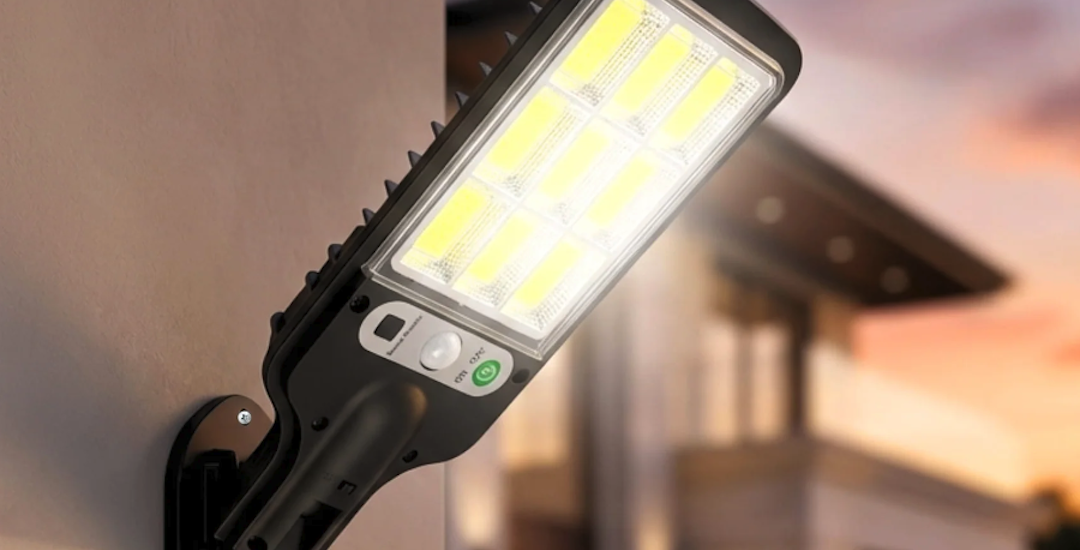
So, you’re wondering if a solar motion sensor street light is a good fit for your garden, right? In short, yes, for most gardens, they’re a fantastic, practical solution. They offer security, convenience, and a clear path without needing to fuss with wiring or running up your electricity bill. These lights are designed to be self-sufficient, charging up during the day and providing illumination when movement is detected at night. Pretty neat, huh?
There’s a lot to love about these lights Woolerdesign, especially when you’re thinking about your outdoor space. They’re more than just a light source; they’re a smart addition that offers multiple benefits without much hassle.
Eco-Friendly and Cost-Saving
When you go solar, you’re tapping into the ultimate renewable resource: the sun. This means your garden light won’t be drawing power from the grid, which translates directly into savings on your electricity bill. It’s not just good for your wallet, it’s also a step towards a more sustainable home. Every little bit helps, and switching to solar lighting is an easy win for the environment.
Enhanced Security
This is where the motion sensor really shines. Imagine someone approaching your garden gate or walking near your shed after dark. The light automatically snaps on, illuminating the area. This sudden burst of light can be a significant deterrent to unwelcome visitors, making your property feel more secure. It also acts as an early warning system, letting you know if someone is in your garden when they shouldn’t be.
Convenient Illumination
No more fumbling in the dark for your keys or tripping over your garden hose. Whether you’re taking out the rubbish, letting the dog out, or just enjoying a late-night stroll through your garden, these lights provide light only when it’s needed. This is much more practical than a light that stays on all night, which can be annoying for neighbours and wasteful.
Key Features to Look For
Not all solar motion sensor street lights are created equal. To get the most out of your purchase, it’s worth paying attention to a few key specifications.
Brightness (Lumens)
This is probably one of the first things you’ll consider. Lumens tell you how bright the light is. For a garden path, you might be happy with a few hundred lumens, but if you’re lighting a larger area or want a stronger security light, you’ll want something in the 1000-2000 lumen range, or even higher for true street-light level illumination. Think about the size of the area you want to light and how bright you need it to be to navigate safely or deter intruders.
Motion Detection Range and Angle
How far away can the light detect movement, and how wide is its detection field? A wider angle and longer range mean more comprehensive coverage. Look for lights with a detection range of at least 15-20 feet and a wide, often 120-degree or more, detection angle. This ensures that the light turns on before you’re right under it, giving you a wider illuminated path.
Battery Life and Charging Efficiency
A good solar light needs a robust battery to store enough energy to last through the night, even after a cloudy day. Look for lights with high-capacity lithium-ion batteries. Also, consider the efficiency of the solar panel itself. Larger panels generally charge faster and more effectively, especially in less-than-ideal sunlight conditions. You want a light that can reliably store enough power to last until dawn, or at least for the duration you’ll need it.
Durability and Weatherproofing
Your garden light will be exposed to the elements, so it needs to be tough. Look for an IP rating, which indicates its resistance to dust and water. An IP65 rating is generally a good standard for outdoor use, meaning it’s protected against dust and low-pressure water jets. Higher ratings offer even more protection. Materials like ABS plastic or aluminum are good choices for housing as they are resistant to corrosion and UV degradation.
Placement Pointers for Optimal Performance
The “install it and forget it” aspect is a big draw, but a little thoughtful placement goes a long way in ensuring your solar light performs at its best.
Maximizing Sunlight Exposure
This is crucial. Solar panels need direct sunlight to charge effectively. Observe your garden throughout the day and identify spots that receive unobstructed sunlight for the longest duration, especially during peak sun hours (usually 10 AM to 4 PM). Avoid areas perpetually shaded by trees, buildings, or fences. Even partial shade can significantly reduce charging efficiency.
Strategic Illumination Zones
Think about where you actually need light. Pathways, steps, doorways, gates, and areas around sheds or garages are prime candidates. Consider placing lights at key entry points to your garden or property for security. Don’t just throw them up randomly; consider how the light will cast shadows and where you need the most visibility. You want to light up obstacles, not create new ones with poorly placed fixtures.
Avoiding Light Interference
While you want the motion sensor to work when you need it, you don’t want it constantly triggering. Avoid placing lights directly facing a public street or areas with frequent pedestrian or animal traffic if you don’t want it coming on every few minutes. Also, be mindful of reflective surfaces that could confuse the sensor or create glare.
Installation Simplicity
One of the big advantages here is how straightforward these lights are to set up. Forget about electricians and complicated wiring diagrams.
DIY-Friendly Design
Most solar motion sensor street lights are designed for easy DIY installation. They often come with all the necessary mounting hardware, such as screws and wall plugs. You typically just need a drill, a screwdriver, and a ladder if you’re mounting it high up. The instructions are usually clear and concise, guiding you through the few steps required.
No Electrical Wiring Required
This is a game-changer. Since they’re solar-powered, there’s no need to run electrical cables, dig trenches, or connect to your home’s power supply. This eliminates the cost and complexity of professional electrical work, making the entire process quicker, cheaper, and safer. It also means you have more flexibility in where you place the light.
Maintenance Tips for Longevity
While these lights are generally low-maintenance, a few simple checks can keep them working efficiently for years.
Keeping the Solar Panel Clean
Dust, dirt, leaves, and bird droppings can accumulate on the solar panel, reducing its ability to absorb sunlight. Periodically wipe the panel clean with a damp cloth. A clean panel means more efficient charging, which in turn means brighter, longer-lasting light at night. This is probably the most important maintenance task.
Checking for Obstructions
Over time, new growth from trees or shrubs might start to shade your solar light’s panel. Routinely check for any new obstructions and trim them back as needed to ensure the panel receives ample sunlight. Even small changes in your garden can impact performance, so regular checks are a good idea.
Battery Health Considerations
While solar light batteries are designed for longevity, they do have a lifespan. If you notice your light isn’t holding a charge as well as it used to, or if it’s dimming prematurely, it might be time to replace the internal battery. Most higher-quality units use standard, replaceable lithium-ion batteries. Check the manufacturer’s instructions for battery replacement specific to your model.
Common Misconceptions Debunked
There are a few common ideas floating around about solar lights that aren’t quite accurate. Let’s clear those up.
“They won’t work in winter or on cloudy days.”
This is a frequent concern, especially in regions with less consistent sunshine. While it’s true that efficiency can decrease on cloudy days or during shorter winter days, a well-designed solar light with an efficient panel and a good-capacity battery will still charge, albeit at a slower rate. Many modern solar lights have enough reserve power to provide illumination for several nights even with limited charging. You might notice a slight dip in brightness or duration, but they won’t completely stop working unless there’s a prolonged period of extremely dark, overcast conditions.
“They are not bright enough for practical use.”
This might have been true for early models, but solar technology has come a long way. LED technology combined with efficient solar panels and powerful batteries means today’s solar motion sensor street lights can be incredibly bright – bright enough to illuminate a large portion of your garden effectively, and certainly bright enough for security and safe navigation. You can find models ranging from a few hundred lumens for accent lighting up to several thousand lumens for powerful, security-grade illumination.
“Batteries will die quickly and need constant replacement.”
Again, older or cheaper models might have suffered from this. However, good quality solar lights use robust, long-lasting lithium-ion batteries that are designed to endure hundreds or even thousands of charge cycles. With proper care (like keeping the panel clean), these batteries can easily last for several years before needing replacement. Many manufacturers design their lights with easily replaceable batteries to extend the product’s overall lifespan, which is much better for your wallet and the environment.
Making the Right Choice for Your Garden
So, you’re convinced a solar motion sensor light is a good idea. Now, how do you pick the right one?
Assess Your Specific Needs
Before you even start looking at products, take a moment to consider what you really need. Where exactly do you want the light? What’s the size of that area? How bright does it need to be? Is it primarily for security, or more for general path lighting? Understanding your specific requirements will narrow down your options considerably.
Read Reviews and Compare Models
Once you have an idea of what you’re looking for, do a little research. Read reviews from other users. Look for common themes – good battery life, reliable motion detection, ease of installation, etc. Compare different models based on their lumen output, detection range, IP rating, and battery capacity. Don’t automatically go for the cheapest option; investing a little more often means better quality and longevity.
Consider A Flexible Mounting Solution
Some lights come with adjustable brackets or multiple mounting options (wall, pole, fence post). This can be really helpful if you’re not entirely sure about the best placement or if you want the flexibility to change the angle of the light or panel for optimal charging or illumination. The more versatile the mounting, the easier it will be to get it right.
In conclusion, a solar motion sensor street light for your garden is a genuinely practical, efficient, and smart upgrade. They offer a blend of convenience, security, and environmental friendliness that’s hard to beat. By choosing wisely and following a few simple tips, you can enjoy a well-lit, safer garden with minimal effort and no ongoing costs.