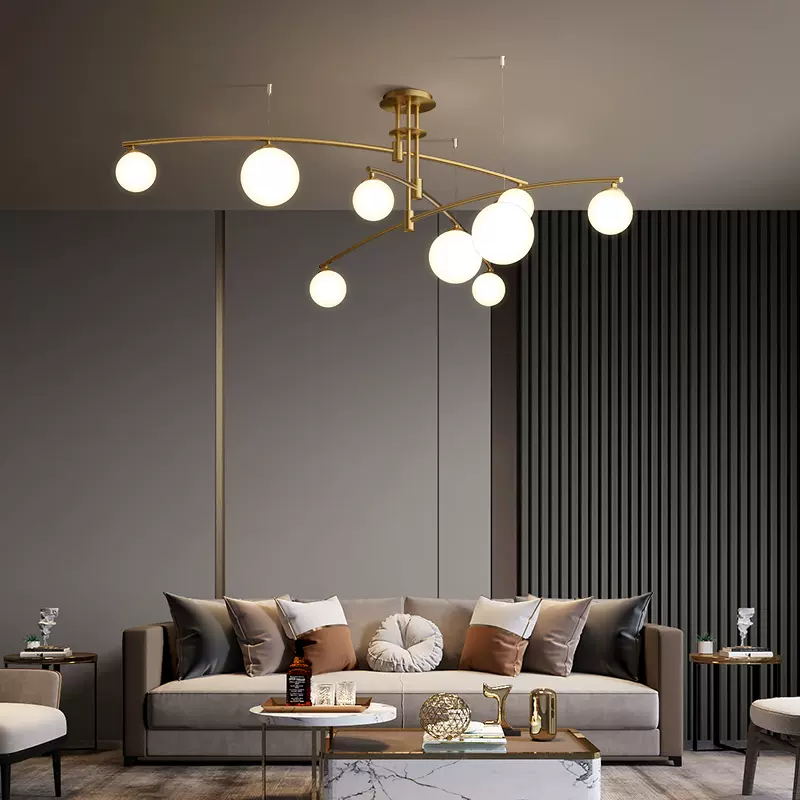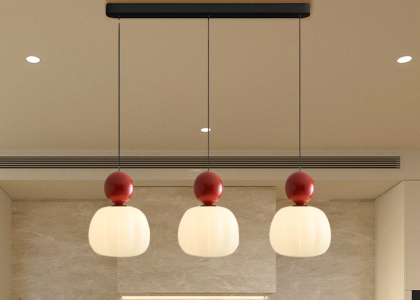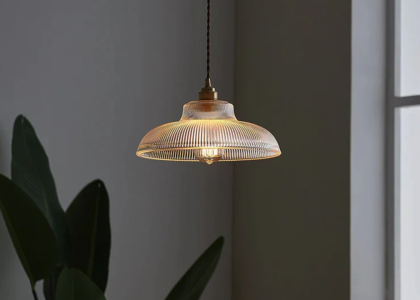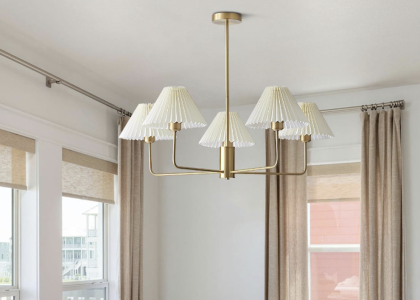

So, you’re curious about these stylish bedroom mini water ripple glass pendant lamps? They’re a really neat way to add a touch of subtle charm and sophisticated light to your personal space. Think of them as little jewels for your ceiling, not overpowering, but definitely impactful. They bring a soft, diffused glow that can transform the mood of your bedroom, making it feel more inviting and relaxing. It’s all about creating an atmosphere rather than just providing raw light.
Where to Place Your Mini Pendant
These lamps are quite versatile, but their “mini” nature means they shine in specific spots. They’re not usually meant to be the sole light source for a large room, but rather accent pieces.
Over a Bedside Table
This is probably the most popular placement, and for good reason. A single mini pendant hanging over your bedside table offers a focused light for reading, a gentle ambient glow for winding down, and it frees up your nightstand from bulky lamps. It creates a cozy, boutique hotel vibe.
Creating a Reading Nook
The concentrated light from a pendant above your nightstand is perfect for that late-night chapter. You can easily switch it on and off without fumbling for a switch, and the diffused ripple glass ensures no harsh glare.
A Visual Anchor
Even when not in use, the pendant acts as a visual anchor for your bedside area, adding a decorative element without taking up physical space. It makes the area feel more intentional and put-together.
In a Cluster
Don’t limit yourself to one! Grouping several mini pendants together can create a more significant visual statement. This works especially well if you have a longer bedside area or a larger dresser.
The Impact of Symmetry
Arranging three or five pendants in a row can add a sense of order and elegance. It feels deliberate and can be a real showstopper.
Asymmetrical Delights
On the other hand, a more artful, slightly staggered arrangement can bring a playful yet sophisticated feel. This is great for a more eclectic bedroom style.
In a Corner Alcove or Niche
Do you have a little nook in your bedroom? Maybe a space for a small armchair or a collection of plants? A mini pendant can beautifully illuminate and highlight these often-underused areas.
Drawing Attention to Architectural Features
If you have an interesting alcove or recess, a pendant light can draw the eye to it, making it a feature rather than an afterthought.
Adding Soft Light to a Cozy Corner
Giving that quiet corner a warm, inviting glow can make it your favorite spot for a moment of peace.
Over a Dressing Table or Vanity
Similar to bedside tables, a mini pendant can provide focused, flattering light for getting ready. It’s much gentler than harsh overhead lighting and adds a touch of glamour.
Reduced Glare for Makeup Application
The diffused nature of ripple glass is excellent for applying makeup, as it minimizes harsh shadows and unflattering reflections.
A Touch of Elegance While You Prepare
It makes that everyday ritual feel a little more special.
Understanding the “Water Ripple” Effect
This is where the magic happens. That distinctive ripple pattern on the glass isn’t just for show; it significantly impacts how the light behaves.
The Diffusion of Light
Instead of a direct beam, the ripples scatter and soften the light. This creates a much more gentle and ambient illumination, ideal for a bedroom where you want to relax and unwind.
No More Harsh Shadows
Forget those sharp, unflattering shadows. The ripple effect smooths everything out, creating a softer, more flattering light.
A Gentle Glow
The light doesn’t feel piercing or stark. It’s more of a warm, inviting embrace.
The Visual Interest
When the light is on, the ripples create subtle, undulating patterns on the glass itself and can cast a gentle, animated glow onto nearby surfaces. It’s like having a tiny, calm water feature that emits light.
Dynamic Light Play
The movement of light through the ripples adds a dynamic element to the room. It’s not static; it’s subtly alive.
Aesthetic Appeal
Even when the light is off, the textured glass itself is a decorative element, adding visual interest to your ceiling.
Types of Ripple Patterns
While “water ripple” is a general term, there can be variations. Some are more pronounced, resembling actual flowing water, while others are a more subtle, textured pattern.
Deep Embossing vs. Subtle Etching
The depth of the ripple can range from deeply molded textures to more finely etched designs, each offering a slightly different light diffusion and visual effect.
Uniformity vs. Organic Flow
Are the ripples perfectly uniform, or do they have a more natural, irregular flow? This can influence the overall feel of the light.
Materials and Finishes: What to Look For
These lamps aren’t just about the glass; the accompanying materials and finishes play a crucial role in their overall style.
Metal Finishes
The hardware of the pendant – the canopy, the stem, the socket – will come in various finishes. These can dramatically change the lamp’s aesthetic.
Brushed Brass/Gold
This is a very popular choice, offering warmth and a touch of vintage or modern luxury depending on the style. It pairs well with warmer color palettes.
Warmth and Opulence
Brushed brass can add a rich, inviting glow that complements natural wood tones and cozy textiles.
Longevity and Elegance
It’s durable and, with proper care, maintains its elegant look for years.
Matte Black
For a more contemporary, minimalist, or industrial look, matte black is a fantastic option. It grounds the fixture and can blend seamlessly with darker decor.
Modern Sophistication
Matte black offers a sleek, understated elegance that works well in modern and minimalist interiors.
Versatility
It complements a wide range of colors and styles, making it a safe and chic choice.
Polished Chrome/Nickel
These provide a brighter, more reflective finish, leaning towards a more modern or art-deco aesthetic. They can make a space feel a bit more airy.
Reflective Brilliance
Chrome and nickel add a touch of sparkle and can bounce light around the room, making it feel larger.
Clean and Crisp
They offer a clean, crisp look that pairs well with cooler color palettes and contemporary designs.
Glass Color and Tint
While clear ripple glass is common, you might also find subtle tints.
Clear Glass
This is the classic choice, allowing the ripple effect and the bulb’s warmth to shine through unobstructed.
Purest Ripple Effect
You get the most direct interpretation of the water ripple pattern.
Maximum Light Transparency
This option prioritizes the light-transmitting qualities of the glass.
Frosted or Opal Glass
Though less common with a distinct “ripple” texture, some glass might be frosted or have an opal finish, further softening the light. This is more about a general diffused glow.
Extra Softening
This can further diffuse the light, creating an even gentler ambiance.
Hiding Bulb Details
It can also help to obscure the bulb itself, offering a more uniform light source.
Tinted Glass (e.g., Amber, Smoke Grey)
A very subtle tint can add another layer of color and mood to the light. Amber, for instance, can enhance warmth, while smoke grey can add a touch of mystery.
Enhancing Warmth
Amber tints can make the light feel even cozier and more inviting.
Adding Depth and Nuance
Smoke grey tints can add a sophisticated, muted quality to the illumination.
Installation and Practical Considerations
While the installation of pendant lights is often best left to a qualified electrician, understanding a few things can help you choose and enjoy your new fixture.
Mounting Options
How the pendant attaches to your ceiling is key.
Direct to Ceiling Mount
This is the most common for mini pendants. A small canopy covers the electrical box on the ceiling, and the pendant hangs directly from it.
Simple and Clean
This setup is generally unobtrusive and offers a clean look.
Best for Lower Ceilings
It doesn’t add much height, making it suitable for rooms with lower ceilings.
With a Rod or Cord Extension
Some mini pendants can come with adjustable rods or cords, allowing you to customize the hanging height.
Height Adjustment
This is crucial for achieving the perfect aesthetic and functional placement.
Ideal for Different Ceiling Heights
Allows you to accommodate various room dimensions.
Bulb Choice Matters
The type of bulb you use will impact the light quality.
LED vs. Halogen
LEDs are almost always the way to go for these fixtures. They are energy-efficient, have a long lifespan, and come in a wide range of color temperatures.
Energy Efficiency
LEDs consume significantly less power, leading to lower electricity bills.
Long Lifespan
You won’t be replacing bulbs frequently, which is convenient.
Color Temperature (Kelvin)
This dictates the “warmth” or “coolness” of the light. For a bedroom, you’ll want to stick to warmer tones.
Warm White (2700K – 3000K)
This is your go-to for creating a cozy, relaxing atmosphere. It mimics the glow of traditional incandescent bulbs.
Enhancing Relaxation
This color temperature is best suited for creating a tranquil and comfortable environment.
Ideal for Evening Use
It’s perfect for winding down before bed.
Dimmability
If your fixture is compatible, a dimmer switch is a game-changer for bedroom lighting.
Mood Control
You can adjust the light from a functional level to a barely-there glow for ultimate relaxation.
Versatility
Allows you to adapt the lighting for different activities and times of day.
Wiring and Safety
- Always consult a professional electrician. They can ensure the wiring is safe, correctly installed, and up to code.
- Check weight limits. While these are “mini,” ensure your ceiling box can support the fixture.
- Consider existing wiring. If you’re replacing an existing fixture, the positioning might be dictated by that.
Styling Your Bedroom Around the Mini Pendant
Once you’ve chosen your stylish mini water ripple glass pendant lamp, think about how it can be integrated into your overall bedroom design.
Complementary Decor Styles
These lamps are surprisingly adaptable, but they tend to lean towards certain aesthetics.
Modern & Minimalist
The clean lines and diffused light fit perfectly with minimalist decor. They add a touch of interest without being overly fussy.
Streamlined Aesthetics
The simple form factor complements minimalist furniture and decluttered spaces.
Subtle Statement Piece
They provide a focal point without overwhelming the clean design.
Mid-Century Modern
The organic feel of the ripple glass can echo the natural forms often found in mid-century design, especially when paired with wood accents.
Organic Forms
The wave-like patterns can resonate with the naturalistic elements of MCM.
Warm Wood Tones
They pair beautifully with the characteristic warm woods of this era.
Boho Chic
A cluster of these pendants can add a touch of textural charm and soft light to a more eclectic, bohemian space.
Textural Layering
They contribute to the layered, eclectic feel of boho style.
Whimsical Touch
The gentle light can enhance the relaxed, artistic vibe.
Transitional Decor
They can bridge the gap between traditional and modern, offering a bit of softness and visual appeal without being too formal or too casual.
Blending Styles
They offer a way to incorporate decorative elements into a room that mixes various design periods.
Approachable Elegance
They add a touch of sophistication without feeling stuffy.
Integrating with Color Schemes
The color of your walls, bedding, and other decor will influence how the pendant light feels.
Warm Neutrals
Beiges, creams, and soft greys provide a beautiful backdrop that allows the light and glass texture to take center stage.
Emphasizing Warmth
These colors naturally enhance the cozy glow of the lighting.
Creating a Serene Space
They contribute to an overall peaceful and inviting atmosphere.
Deep Jewel Tones
Emerald green, sapphire blue, or deep amethyst walls can make the light from the pendant pop, creating a luxurious and dramatic effect.
Dramatic Contrast
The light will be a bright spot against richer, darker walls.
Adding a Rich Opulence
This combination can create a very sophisticated and intimate feel.
Soft Pastels
Pale blues, blush pinks, or mint greens can create a light, airy, and romantic feel, with the pendant adding a delicate sparkle.
Airy and Romantic Ambiance
The soft hues complement the gentle illumination of the pendant.
Delicate Charm
This pairing creates a light and charming visual experience.
Lighting Layering
Remember, the mini pendant is often one layer of light. Consider how it works with other sources.
Ambient Lighting
This is your general room illumination. It could be a ceiling fixture, recessed lighting, or even a soft glow from sheer curtains filtering daylight.
The Base Layer
This provides the overall brightness of the room.
Balancing the Pendant
The pendant adds focused charm on top of this.
Task Lighting
This is for specific activities, like reading at your bedside or applying makeup. Your pendant can often serve as task lighting in these specific areas.
Focused Illumination
Provides light for specific activities like reading.
Functional Beauty
These fixtures serve a practical purpose while looking good.
Accent Lighting
This is for highlighting artwork, architectural features, or plants.
Drawing Attention
Use these to draw the eye to specific elements in your room.
Enhancing Depth
These create more visual interest and perceived space.
Your mini water ripple glass pendant lamp is more than just a light fixture; it’s an opportunity to infuse your bedroom with personality, warmth, and a touch of understated elegance. By carefully considering its placement, the materials, and how it integrates with your existing decor, you can create a truly special sanctuary.