
This article explores the Japanese rice paper floor lamp, examining its historical context, design principles, and cultural significance. We will delve into how these lamps embody the aesthetic philosophy of Wabi-Sabi and their role in contemporary interior design.
Historical Roots and Evolution
The history of the Japanese rice paper floor lamp is deeply intertwined with traditional Japanese lighting practices and material culture. Understanding its origins provides context for its enduring appeal.
Early Forms of Lighting in Japan
Before the advent of electricity, various forms of natural light and combustion-based lighting illuminated Japanese homes and spaces. You might envision the dim glow of rudimentary oil lamps or the flickering light of candles. These were often enclosed in simple paper screens or lanterns to diffuse the harshness of the flame and prevent accidental fires. This early ingenuity laid the groundwork for later innovations.
The Role of Andon and Chochin
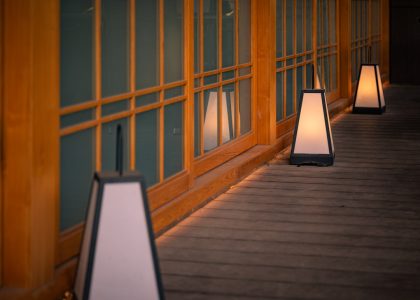
Two significant precursors to the modern rice paper floor lamp are the andon and the chochin. The andon was typically a stand-alone lantern, often box-shaped, with a paper or silk screen enclosing a light source. Its primary function was to provide stationary illumination. In contrast, the chochin was a collapsible lantern, frequently used for portable lighting or outdoor decoration. These early forms demonstrate a consistent reliance on paper as a diffusing medium. Think of them as foundational architectural elements in the evolution of Japanese lighting.
Western Influence and Modern Adaptations
The Meiji Restoration in the late 19th century brought significant Western influence to Japan, including new lighting technologies like gas lamps and electric bulbs. You can imagine the transformative impact of these advancements. While electric lighting offered greater brightness and convenience, the aesthetic appeal of diffused light persisted. Designers began to adapt traditional paper lantern forms to incorporate electric light sources, paving the way for the contemporary rice paper floor lamp. This adaptation was not a wholesale replacement but rather a thoughtful integration of new technology with established aesthetics.
Design Principles and Materials
The design of Japanese rice paper floor lamps is characterized by simplicity, natural materials, and a focus on diffusing light. These elements contribute to their distinctive aesthetic.
Washi Paper: The Core Material
At the heart of these lamps is washi paper, a traditional Japanese paper known for its strength, translucence, and natural fibers. Unlike machine-made paper, washi is typically handmade using fibers from the kozo (mulberry), mitsumata, or gampi plants. You might observe slight irregularities or variations in texture, which are not imperfections but rather hallmarks of its handmade nature. This deliberate choice of material is fundamental to the lamp’s character.
Bamboo and Wood Frameworks
The structural integrity of these lamps is often provided by frameworks of bamboo or light wood. Bamboo, with its inherent flexibility and strength, is particularly well-suited for creating delicate yet durable structures. The choice of unadorned wood or bamboo further emphasizes the natural and understated aesthetic. Consider these frameworks as the skeleton that holds the translucent skin.
Simple Geometric Forms
Japanese rice paper floor lamps typically feature simple geometric forms, such as cylinders, cubes, or spheres. This simplicity minimizes visual clutter and allows the diffused light to be the primary focus. You will rarely find ornate or elaborate embellishments. This design discipline reflects an understanding that true elegance often resides in reduction and clarity.
Diffused Illumination and Ambiance
The primary function of the washi paper is to diffuse the light source, creating a soft, warm, and evenly distributed glow. This contrasts with harsh, direct lighting. The resulting ambiance is often described as serene and calming. Imagine the harsh glare of a bare bulb being softened and dispersed, creating a gentle luminosity. This diffused light is a key element in establishing the desired atmosphere.
Wabi-Sabi Philosophy Embodied
The aesthetic philosophy of Wabi-Sabi is central to understanding the appeal of Japanese rice paper floor lamps. It is not merely a design style but a worldview.
Imperfection as Beauty
Wabi-Sabi embraces the idea that beauty can be found in imperfection, transience, and incompleteness. The slight variations in the washi paper, the natural grain of the wood, or even the subtle yellowing of paper over time are not flaws to be corrected but characteristics to be appreciated. You might observe a small crease or an uneven fiber in the paper; these are not defects but markers of authenticity. This perspective challenges conventional Western notions of flawless perfection.
Transience and the Passage of Time
The delicate nature of washi paper means these lamps are not designed for perpetual pristine condition. They will age, perhaps acquiring a soft patina or a slight tear over time. This impermanence is viewed not as a deficit but as a reflection of life’s natural cycles. Consider this: a perfectly preserved object might feel sterile, while an object bearing traces of time tells a story. This appreciation for the ephemeral is a cornerstone of Wabi-Sabi.
Simplicity and Authenticity
Wabi-Sabi champions simplicity and authenticity, rejecting ostentation and artificiality. The unadorned materials and straightforward design of the rice paper lamp directly align with this principle. There is no attempt to imitate expensive materials or create an illusion of grandeur. What you see is what you get: honest materials serving a clear purpose. This authenticity resonates with those seeking refuge from excessive consumerism.
Connection to Nature
The natural materials used in these lamps—paper, bamboo, wood—forge a direct connection to the natural world. Wabi-Sabi often emphasizes an appreciation for natural processes and the beauty found in organic forms. By bringing these elements into the home, the lamp serves as a subtle reminder of our connection to the environment. You might feel a sense of calm and rootedness emanating from these natural components.
Cultural Significance and Symbolism
Beyond their aesthetic qualities, Japanese rice paper floor lamps carry cultural significance and symbolic meaning within Japanese tradition.
Symbolism of Light
In many cultures, including Japanese, light symbolizes knowledge, purity, and spiritual enlightenment. The soft, gentle glow emanating from these lamps can be interpreted as a representation of inner peace and tranquility. It is not a harsh, investigative light but a comforting presence. This symbolic resonance adds depth to their perceived value.
Harmony and Balance
The balanced proportions and understated presence of these lamps contribute to a sense of harmony within a space. In Japanese aesthetics, the concept of yugen, referring to a profound, mysterious sense of beauty, is often subtly evoked. The diffused light and natural materials work in concert to create a calming and balanced environment. You might feel a subconscious sense of order and serenity in their presence.
Influence on Contemporary Design
The principles embodied by Japanese rice paper lamps have had a notable influence on contemporary design globally. Designers worldwide draw inspiration from their minimalist aesthetic and emphasis on natural materials. This influence can be seen in various lighting fixtures that prioritize diffused light and simple forms. Consider their legacy as a quiet but persistent force shaping modern sensibilities.
Practical Applications and Placement
Understanding the practical considerations for incorporating these lamps into your space ensures they fulfill their aesthetic and functional potential.
Creating Ambiance in Residential Settings
In residential environments, Japanese rice paper floor lamps excel at creating a warm and inviting ambiance. They are particularly suitable for living rooms, bedrooms, or dining areas where a soft, non-directional light is desired. You might place them in a corner to provide a gentle glow or next to an armchair for reading with a relaxed light.
Enhancing Minimalist and Scandinavian Interiors
These lamps are a natural fit for minimalist and Scandinavian interior design schemes, which often prioritize simplicity, functionality, and natural materials. Their clean lines and understated presence complement these aesthetic approaches seamlessly. If your space already embraces clean lines and natural tones, these lamps will integrate effortlessly.
Considerations for Commercial and Hospitality Spaces
In commercial settings such as boutique hotels, spas, or quiet cafes, these lamps can contribute to a serene and sophisticated atmosphere. Their ability to create a calming effect is beneficial in environments where relaxation and comfort are paramount. However, their delicate nature might require careful placement in high-traffic areas.
Maintenance and Care
Washi paper, while durable, is susceptible to moisture and direct physical impact. Regular dusting with a soft, dry cloth is recommended. Avoid placing them in areas prone to humidity or where they might be easily knocked over. If minor damage occurs, specialized paper repair techniques can sometimes restore their appearance. Treat them with the gentle respect their materials command.