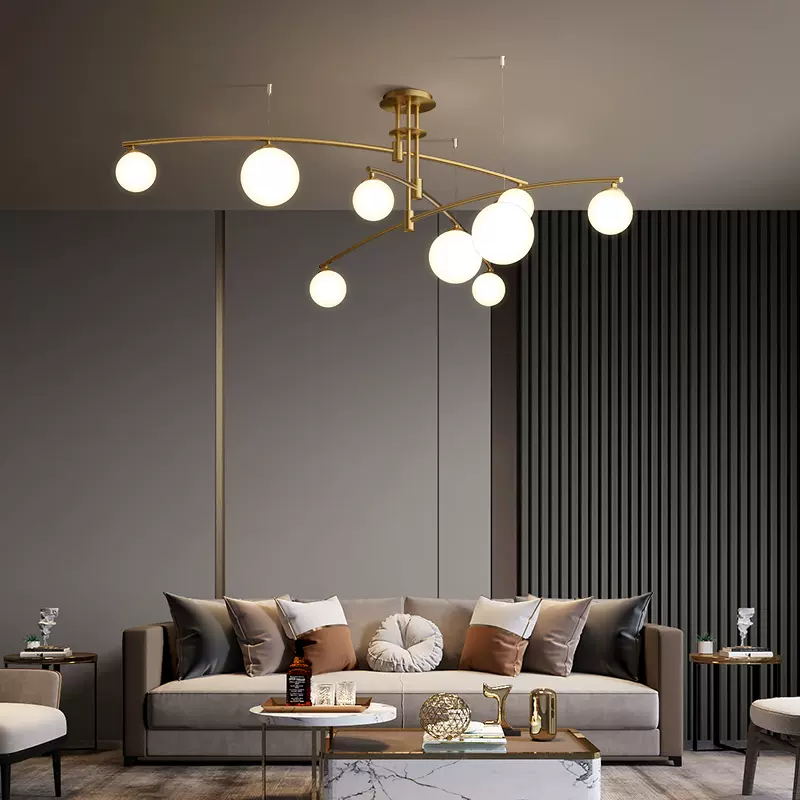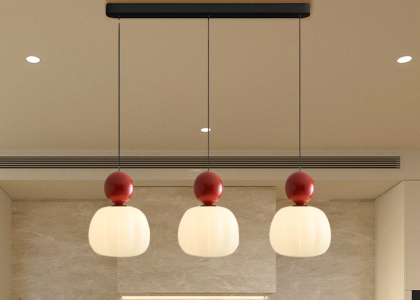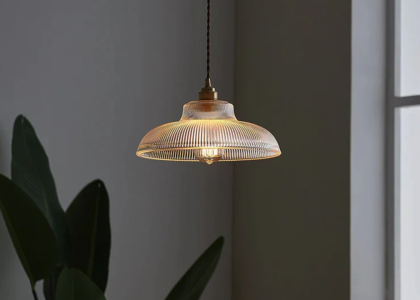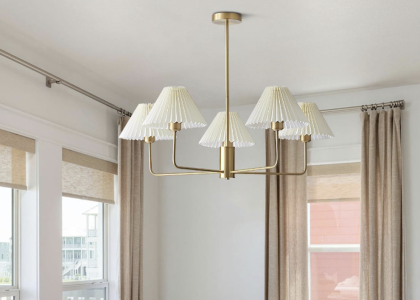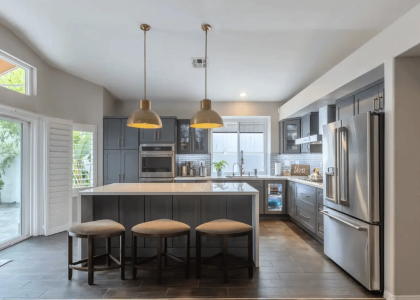

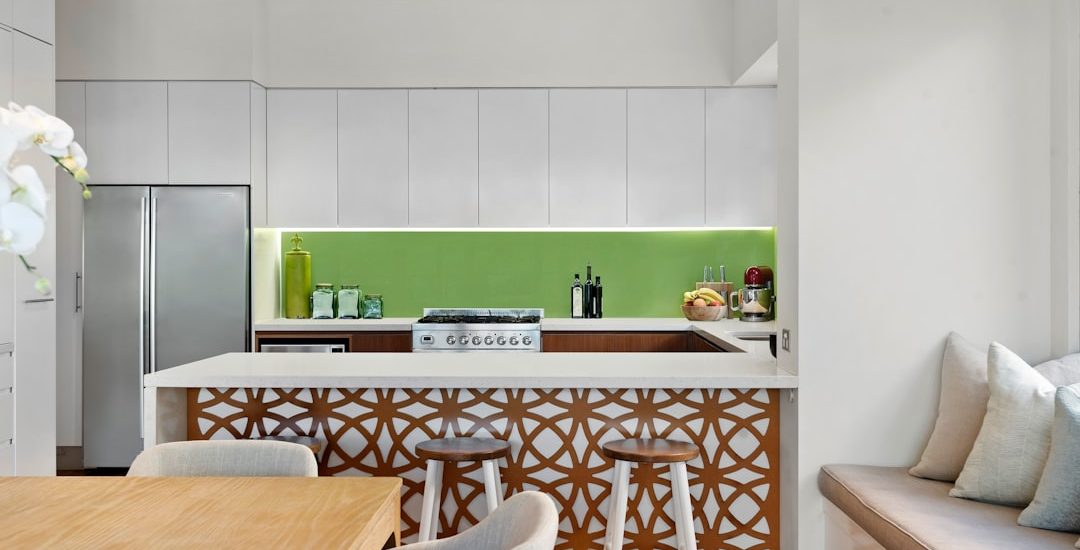
The Scandinavian design philosophy, often characterized by minimalism, functionality, and a connection to nature, profoundly influences the aesthetic of wood and glass pendant lights. This design approach prioritizes practicality and understated beauty, moving away from excessive ornamentation. When you consider a Scandinavian wood and glass pendant light, you are, in essence, embracing a confluence of these core principles. The interplay of materials itself – the organic warmth of wood against the cool transparency of glass – is a hallmark of this design tradition, reflecting a balanced approach to design.
Material Selection
Wood, frequently left in its natural finish or treated with light stains, provides an earthy warmth and texture. Common wood types include birch, ash, oak, and pine, chosen for their light color and subtle grain patterns. This selection contributes to the overall bright and airy feel characteristic of Nordic interiors. The wood’s texture introduces an organic element, grounding the design. Glass, conversely, offers transparency and a reflective quality. It permits light to diffuse or directly illuminate, depending on its form and opacity. Materials such as frosted, clear, or opaline glass are frequently employed, each offering a distinct lighting effect. The choice of glass impacts not only light distribution but also the overall visual weight of the fixture.
Form and Function
Scandinavian design prioritates functionality. Pendant lights are designed not merely as decorative elements but as effective light sources. Their forms are typically simple, often featuring geometric shapes like cylinders, spheres, or cones. These clean lines enhance the light’s ability to seamlessly integrate into various interior styles without overpowering the space. The design encourages both direct and indirect illumination, providing versatile lighting solutions for dining areas. The thoughtful integration of form and function ensures that these lights are both aesthetically pleasing and operationally effective, illuminating a space without creating visual clutter.
Illumination and Ambiance
The primary function of any dining table light is to provide adequate illumination. Scandinavian wood and glass pendant lights achieve this with a nuanced approach, balancing functionality with the creation of a particular atmosphere. The quality of light, rather than just its intensity, is a key consideration.
Light Distribution
The combination of wood and glass significantly influences how light is distributed. Clear glass diffusers permit direct downward light, ideal for task lighting over a dining surface. This focused illumination ensures that food is presented appealingly and that dinner guests can see clearly. Frosted or opaline glass, on the other hand, diffuses light more broadly, creating a softer, more ambient glow. This kind of diffusion reduces harsh shadows and glare, contributing to a more comfortable and inviting atmosphere. The design often incorporates a wooden element that subtly shades the light source, directing light downwards while preventing harsh upward glare.
Color Temperature
The choice of light bulb color temperature further refines the ambiance. Warm white light (typically 2700K-3000K) is often preferred for dining areas as it fosters a cozy and inviting mood. This light temperature complements the natural tones of the wood and enhances the visual appeal of food. Cooler white light, while sometimes used for task lighting in other areas, is generally less suitable for creating a warm dining atmosphere. The interaction between the warm light, the natural wood, and the glass—whether clear or diffused—creates a harmonious visual experience, akin to how a warm fire illuminates a rustic cabin.
Dimmability
Many Scandinavian pendant lights are designed to be dimmable. This feature is crucial for adapting the light output to different dining scenarios, from bright illumination for working or crafts to soft, intimate lighting for a dinner party. Dimmability allows for dynamic control over the ambiance, evolving with the needs of the moment. It transforms the single light fixture into a versatile tool for setting the mood, offering a spectrum of potential lighting scenarios.
Integration into Dining Spaces
The inherent versatility of Scandinavian wood and glass pendant lights allows them to integrate effectively into a variety of dining room aesthetics, from contemporary to more traditional settings. Their understated elegance acts as a visual anchor without dominating the space.
Complementary Styles
These pendants are particularly well-suited for minimalist, contemporary, and mid-century modern interiors. Their clean lines and natural materials align seamlessly with the principles of these design styles. However, their neutral aesthetic also allows them to subtly complement more eclectic or even traditional dining spaces, introducing a touch of modernity without clashing. Think of it as a subtle thread that weaves together disparate design elements. The light serves as an understated statement, contributing to the overall design without demanding excessive attention.
Placement and Scale
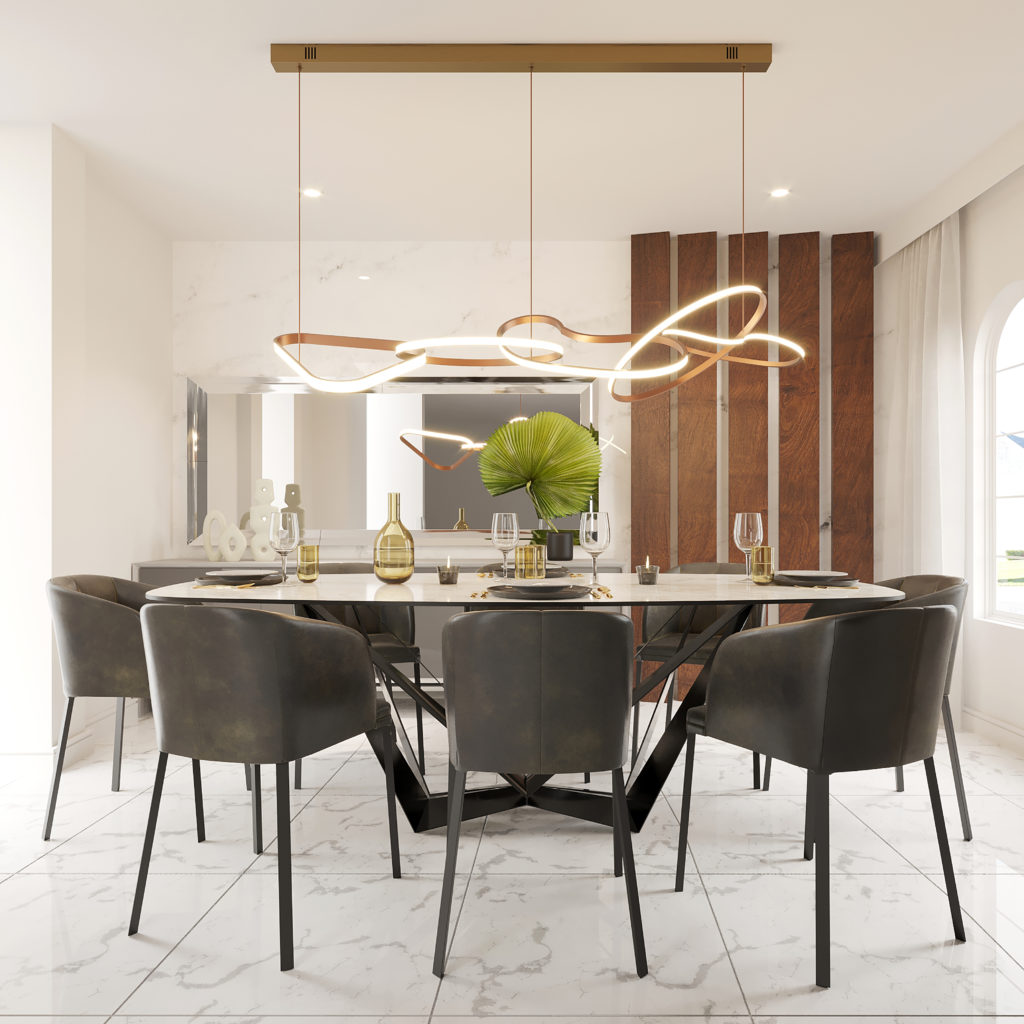
Proper placement is crucial for maximizing both functionality and aesthetic appeal. For a dining table, the bottom of the pendant light is typically hung 30-36 inches (76-91 cm) above the tabletop. This ensures adequate illumination while preventing obstruction of views across the table. The size of the pendant should be proportionate to the dining table. A single large pendant might suit a smaller, circular table, while a linear arrangement of two or three smaller pendants could be more appropriate for a longer rectangular table. The scale of the fixture should always be considered in relation to both the table and the overall room dimensions, ensuring a balanced visual presence.
Visual Harmony
The combination of wood and glass creates a sophisticated visual harmony. The wood provides a sense of groundedness and warmth, while the glass introduces an element of lightness and transparency. This balance prevents the fixture from appearing too heavy or too fragile. The natural textures and subtle reflections work in concert to create a visually engaging yet unobtrusive focal point in the dining area. It’s a dialogue between organic and industrial, creating a pleasing synthesis.
Maintenance and Durability
The longevity and continued aesthetic appeal of any lighting fixture are significantly influenced by its construction and the materials used. Scandinavian design emphasizes durable materials and practical maintenance, ensuring that these pendant lights are not just beautiful but also built to last.
Material Durability
Wood, when properly treated and maintained, is a durable material that can withstand the test of time. It is resistant to minor impacts and, with occasional cleaning and conditioning, can retain its appearance for many years. The natural aging process of wood often adds to its character, developing a patina over time. Glass, while inherently fragile, is also a highly durable material once installed. It does not degrade under UV light and is resistant to scratching when handled with care. The quality of the glass, whether toughened or annealed, is a factor in its resilience.
Cleaning Procedures
Regular cleaning is essential for maintaining the pristine appearance of these pendant lights. For wooden components, dusting with a soft, dry cloth is usually sufficient. For more stubborn marks, a slightly damp cloth with a mild wood cleaner can be used, ensuring the wood is dried immediately afterward to prevent moisture damage. Glass components can be cleaned with standard glass cleaner and a lint-free cloth, being careful to avoid spraying chemicals directly onto wooden parts. The simplicity of the forms also facilitates cleaning, as there are fewer intricate crevices where dust can accumulate.
Longevity and Investment
Investing in a well-made Scandinavian wood and glass pendant light is often a long-term decision. The timeless design ensures that it will not quickly become outdated, and the quality materials contribute to its durability. These lights are not mere transient fashion items but enduring pieces of design that can gracefully accompany a dining space for many years. They represent a functional and aesthetic investment, akin to a well-crafted piece of furniture that serves multiple generations.
Environmental Considerations
In an era of increasing environmental awareness, the sustainable aspects of design and manufacturing are becoming paramount. Scandinavian design, with its emphasis on natural materials and longevity, often aligns with these principles.
Sustainable Sourcing
Many manufacturers of Scandinavian-style lighting prioritize sustainably sourced materials. This can include wood from responsibly managed forests, certified by organizations such as the Forest Stewardship Council (FSC). Sourcing local materials where possible also reduces the carbon footprint associated with transportation. When you choose such a product, you are indirectly supporting practices that contribute to environmental preservation. This conscious selection of materials echoes a commitment to environmental stewardship, a deep respect for natural resources.
Energy Efficiency
The choice of light source plays a significant role in the environmental impact of any lighting fixture. While the fixture itself does not consume energy, its design should accommodate energy-efficient bulbs, such as LED (Light Emitting Diode) technology. LED bulbs consume significantly less energy than incandescent or halogen bulbs, have a much longer lifespan, and offer various color temperatures. Many modern Scandinavian pendant lights are designed with integrated LED modules or are compatible with standard LED bulb fittings, further contributing to their eco-friendliness.
Durability and Waste Reduction
The emphasis on durable materials and timeless design in Scandinavian lighting inherently contributes to waste reduction. Products that are built to last and are not subject to fleeting trends are less likely to be discarded prematurely. This stands in contrast to the culture of disposability that characterizes some consumer goods. By choosing a high-quality, durable pendant light, you are making a decision that indirectly reduces landfill waste and the resources required for constant replacement. It’s a quiet but impactful commitment to a more sustainable consumption pattern.