
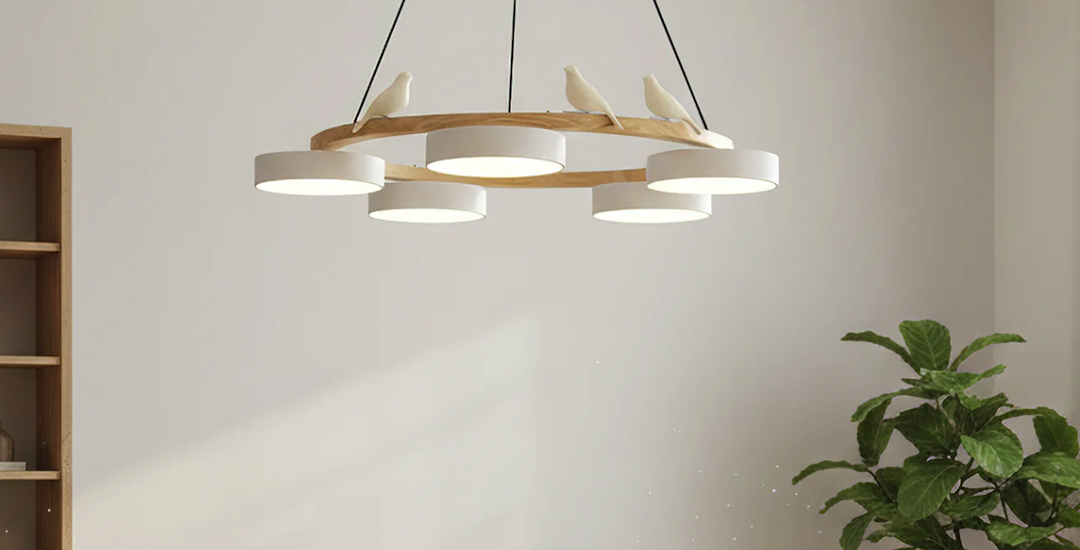
An adjustable bird ring chandelier represents a distinct category of lighting fixture designed for both aesthetic appeal and practical versatility. This lighting solution typically features multiple rings, often of varying sizes, interspersed with decorative elements reminiscent of birds, and incorporates mechanisms allowing for the alteration of its configuration. Such adaptability distinguishes it from static counterparts, offering users greater control over light dispersion and spatial dynamics.
The fundamental design of an adjustable bird ring chandelier Uikobo centers on a modular structure. Typically, a central canopy or frame anchors multiple individual rings. These rings can be arranged in various configurations, from horizontally dispersed layers to vertically stacked helixes.
Avian Motifs
The “bird ring” nomenclature derives from the incorporation of bird-shaped figures or silhouettes into the chandelier’s design. These motifs can range from abstract avian forms to detailed depictions of specific bird species. Their integration serves several purposes:
- Visual interest: Birds add a naturalistic and often whimsical element to the overall composition.
- Symbolism: Birds can symbolize freedom, elegance, or nature, depending on the specific design and cultural context.
- Material variation: Bird elements may be crafted from materials distinct from the primary rings, such as ceramic, glass, or contrasting metals, adding textural and color diversity.
Ring Composition
The rings themselves are typically constructed from metal, although other materials such as wood, acrylic, or composite materials may be employed. Common metallic finishes include:
- Brass: Offers a classic and warm aesthetic, often associated with traditional or transitional interiors.
- Bronze: Provides a darker, more rustic appeal, suitable for earthy or industrial designs.
- Chrome/Nickel: Delivers a modern and sleek appearance, fitting contemporary and minimalist spaces.
- Blackened metals: Impart a bold, industrial, or minimalist character.
The diameter and number of rings can vary significantly, influencing the chandelier’s overall scale and visual impact. Some designs feature nested rings, while others present them as independent entities connected by a central axis or suspension wires.
Mechanisms of Adjustment
The “adjustable” aspect of these chandeliers is a core differentiator, providing functional flexibility. These mechanisms allow for dynamic alteration of the fixture’s form and light distribution.
Height Adjustment
Many adjustable bird ring chandeliers incorporate a system for varying the overall drop height. This is commonly achieved through:
- Cable suspension systems: Steel cables or similar robust wires pass through a friction mechanism or a counterweight system within the canopy, allowing the user to raise or lower the fixture.
- Rod systems with removable segments: Some chandeliers utilize a series of threaded rods that can be added or removed to modify the total length. This typically requires more manual intervention than cable systems.
The ability to adjust height is crucial for adapting the chandelier to different ceiling heights and for fine-tuning its relationship to furniture below, such as dining tables or living room seating arrangements. For example, in a dining area, a lower suspension can define the space more intimately, while a higher suspension in a foyer maintains an open, grand aesthetic.
Ring Orientation Adjustment
A more complex form of adjustability involves altering the angle or position of individual rings. This can be achieved through:
- Swivel joints: RIngs may be attached to the central frame or to each other via swivel mechanisms, allowing them to pivot horizontally or vertically.
- Articulated arms: Some designs feature arms that connect rings, with hinges or ball joints enabling precise angular adjustments.
- Independent suspension points: In certain elaborate designs, each ring might have its own suspension point from the canopy, allowing for individualized height and tilt adjustments, creating a truly sculptural form.
This level of customizability allows you to shape the light and the silhouette of the fixture. Imagine a chandelier where rings can be splayed outward like a bird in flight, or stacked vertically like a nest. This dynamic control permits transformations of the fixture’s visual narrative.
Light Directionality
While not always explicitly “adjusted” in the physical sense of moving components, the placement of light sources within the rings often contributes to the overall adaptability of the fixture.
- Integrated LED strips: LEDs embedded along the inner or outer circumference of the rings offer diffuse, omnidirectional light.
- Downward-facing spotlights: Some rings may house discrete light sources directed downwards, providing task-oriented illumination.
- Upward-facing ambient lights: Conversely, lights directed upwards can bounce off the ceiling, creating a softer, indirect ambient glow.
The combination of these light source types, alongside the physical adjustability of the rings, gives you the capacity to sculpt not only the chandelier’s form but also its photometric output, tailoring the ambiance of the room.
Installation and Placement Considerations
The installation of an adjustable bird ring chandelier, like any complex lighting fixture, requires careful planning and execution.
Electrical Requirements
Before installation, ensure that the electrical wiring in the chosen location can support the chandelier’s wattage. Most modern chandeliers utilize energy-efficient LED technology, which typically reduces power consumption compared to incandescent or halogen alternatives.
- Junction box: A secure ceiling junction box is essential for proper mounting and electrical connection. The box must be rated to support the weight of the fixture.
- Dimmer switch compatibility: Consider installing a dimmer switch to further control the light intensity and mood. Verify that the chandelier’s integrated LED drivers or bulb types are compatible with dimming systems.
Consult with a qualified electrician if you are uncertain about your home’s electrical capacity or wiring.
Spatial Integration
The placement of an adjustable bird ring chandelier significantly impacts its visual and functional efficacy.
- Ceiling height: For rooms with lower ceilings, a design with minimal drop or rings that can be configured to lie flat against the ceiling may be preferable. In spaces with high ceilings, the adjustability in height becomes paramount, allowing the fixture to command the vertical expanse without being visually overwhelming or functionally inaccessible.
- Room dimensions: The diameter of the chandelier’s largest ring should be proportionate to the room’s dimensions. A common guideline is to add the room’s length and width in feet, and use that sum as the ideal chandelier diameter in inches. For instance, a 10’x12’ room might suit a 22-inch diameter chandelier.
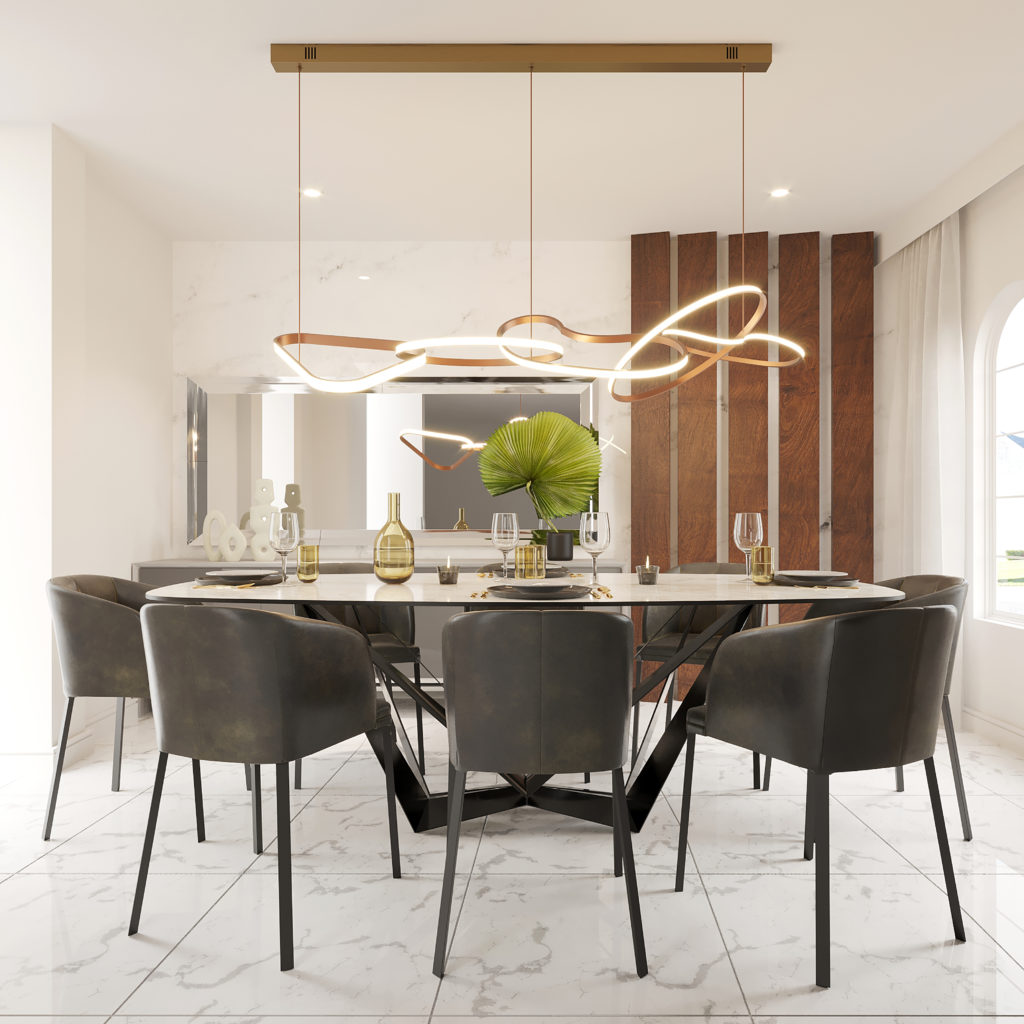
- Furniture relationship: When positioned over a dining table, the bottom of the chandelier should typically be approximately 30-36 inches above the tabletop to prevent obstruction of sightlines and to provide adequate illumination without glare. In living rooms, where the chandelier acts more as an ambient light source and sculptural element, these height guidelines can be more flexible.
Consider the other lighting elements in the room. An adjustable bird ring chandelier often functions as the primary ambient light source, but supplemental task lighting (e.g., table lamps, floor lamps) and accent lighting (e.g., picture lights, spot lighting) can enhance the overall illumination scheme.
Materials and Durability
The longevity and performance of an adjustable bird ring chandelier are intrinsically linked to the quality of its materials and construction.
Metal Components
Metals such as steel, aluminum, brass, and copper are commonly used for the rings and structural elements.
- Corrosion resistance: Finishes like electroplating, powder coating, or lacquering are applied to metal surfaces to enhance their resistance to corrosion and tarnishing, especially in environments with variable humidity.
- Gauge and strength: The thickness (gauge) of the metal impacts structural integrity. Thicker gauge metals generally contribute to greater durability and rigidity.
Wiring and Electrical Components
High-quality wiring and certified electrical components are essential for safety and long-term reliability.
- Insulation: Wires should be adequately insulated to prevent short circuits and electrical hazards.
- Sockets/LED modules: Integrated LED modules should be designed for efficient heat dissipation to prevent premature failure. Replaceable bulb sockets should be robust and rated for the specified wattage.
Avian Ornaments
The quality of the bird motifs, whether they are ceramic, glass, or smaller metal pieces, contributes to the overall aesthetic and durability.
- Attachment methods: Ensure that these decorative elements are securely fastened to the main structure to prevent accidental detachment.
- Finish longevity: The finishes on these smaller elements should match the durability of the main chandelier components. For example, painted ceramic birds should have a durable, chip-resistant glaze.
Proper maintenance, such as regular dusting with a soft cloth and avoiding abrasive cleaners, can help preserve the chandelier’s appearance and functional integrity over time.
Advantages and Contextual Applications
The adjustable bird ring chandelier offers a compelling blend of artistic expression and practical utility, making it suitable for a variety of interior design contexts.
Design Versatility
The primary advantage lies in its inherent adaptability. It offers an almost chameleon-like quality; it can reconfigure itself to suit evolving tastes or changing spatial needs.
- Dynamic aesthetics: You are not limited to a single, static form. The ability to reposition rings allows for a dynamic visual experience, creating the illusion of movement or growth within the space. Imagine reshaping the chandelier from a tightly clustered form to an expansive, airy sculpture.
- Personalization: This level of customization allows you to inject your personal aesthetic into the fixture. It moves beyond a utilitarian object to become a piece that you actively design within your home. This is particularly appealing to those who view their living spaces as extensions of their identity.
Functionality and Light Control
Beyond aesthetics, the adjustability translates to functional benefits regarding illumination.
- Targeted illumination: By adjusting the height and angle of specific rings, you can direct light more precisely. For instance, lower a ring over a specific artwork or reading nook, or raise others to create a broader ambient wash.
- Ambiance manipulation: The same chandelier can create a different mood simply by altering its configuration. A wide, open configuration might evoke an expansive, bright feeling, while a more compact, layered arrangement could create a warmer, more intimate atmosphere. It offers you the ability to fine-tune the feeling of a room as easily as adjusting a dimmer.
Suitable Interior Styles
While often associated with contemporary or modern design due to its clean lines and innovative mechanisms, an adjustable bird ring chandelier can be integrated into various interior styles, depending on its specific materials and finishes.
- Modern/Contemporary: Minimalist designs with sleek metallic finishes and integrated LEDs fit seamlessly into modern aesthetics.
- Transitional: Chandeliers featuring brass or bronze finishes with subtler avian motifs can bridge traditional and contemporary elements.
- Eclectic: The inherent sculptural quality and customizability make these fixtures excellent focal points in eclectic spaces that celebrate diverse design influences.
- Biophilic/Naturalist: Designs emphasizing organic forms, natural wood accents, or more realistic bird motifs align well with biophilic design principles that seek to connect inhabitants with nature.
The adjustable bird ring chandelier is more than just a light source; it is a dynamic art installation that offers significant control over both visual appeal and environmental illumination. Its capacity for transformation allows it to resonate with evolving design preferences and diverse spatial requirements, making it a compelling choice for those seeking both form and function in their lighting solutions.