
Setting the Mood with the Right Light
So, you’re looking to create a genuinely cozy bedroom, and you’re wondering if a modern minimalist dimmable pendant light is the way to go. The short answer is a resounding yes, it absolutely can be your secret weapon for a wonderfully inviting and functional space. These lights are fantastic because they combine clean aesthetics with practical control over your lighting, which is essential for a bedroom. They aren’t just about looking good; they’re about helping you relax, read, or get ready without harsh glares or insufficient illumination. Let’s dig into why these specific fixtures are such a great choice and how to pick the perfect one for your haven.
Why Modern Minimalist Dimmable Pendants Are a Smart Bedroom Choice
When we talk about a “cozy bedroom ambiance,” we’re really talking about a feeling. It’s that warm, inviting, and peaceful vibe that helps you unwind at the end of the day. A modern minimalist dimmable pendant light is uniquely equipped to deliver this, and here’s why.
Blending Style and Simplicity
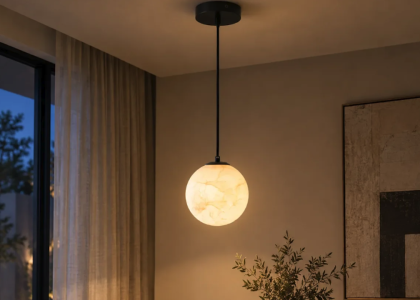
The “modern minimalist” aspect is key here. These lights tend to feature clean lines, simple forms, and often neutral colors like black, white, grey, or metallic finishes. They don’t scream for attention; instead, they integrate seamlessly into your decor, adding a touch of understated elegance without cluttering the visual space. In a bedroom, where you want a sense of calm and order, this minimalist approach is invaluable. A bulky, ornate fixture can often feel overwhelming, but a sleek pendant disappears into the background while still performing its function beautifully.
The Power of Dimmability
This is where the magic truly happens for ambiance. Dimmable lights give you control. Imagine this: you’re winding down after a long day. You don’t want bright, harsh light assaulting your eyes. With a dimmable pendant, you can dial down the brightness to a soft, warm glow, perfect for reading a few pages or just chilling out before sleep. Then, in the morning, if you need a bit more light to find your socks, you can simply brighten it up. This flexibility is crucial for a bedroom, which serves multiple functions throughout the day and night.
Directing Light Where You Need It
Pendant lights, by their nature, are task-oriented. They hang down, bringing the light source closer to your intended area. In a bedroom, this often means above a nightstand, over a reading nook, or even centrally if it’s the primary light source for a smaller room. This focused illumination prevents light spill to areas where it’s not needed, helping to create those distinct “zones” within your bedroom, each with its own mood and purpose.
Saving Space and Clearing Surfaces
Unlike traditional table lamps that eat up precious nightstand real estate, pendants float above. This is a huge benefit, especially in smaller bedrooms or for those who like their surfaces clear. Your nightstand can then be dedicated to books, a glass of water, or your phone, without being cluttered by a lamp base. This visual and physical decluttering contributes directly to a more minimalist and serene atmosphere.
Key Considerations When Choosing Your Pendant
Alright, so you’re on board with the idea. Now, how do you pick the right one? It’s not just about aesthetics; there are practical elements to consider to ensure your chosen light truly enhances your bedroom.
Size and Scale Matters
This is often overlooked. A pendant that’s too big can overwhelm a small room, while one that’s too small might look insignificant and not provide enough light. Generally, for a bedside pendant, aim for something that’s proportionate to your nightstand and bed size. A good rule of thumb is to have the bottom of the pendant roughly 30-36 inches above your nightstand, or about 20-28 inches above your headboard if it’s acting as a central bed light. For a room’s main light, consider the overall ceiling height and room dimensions. You want it to feel balanced.
Material and Finish for Cohesion
The material and finish of your pendant play a significant role in its overall look and how it integrates with your existing decor.
- Metal Finishes: Brushed brass, matte black, polished chrome, and brushed nickel are popular choices. Matte black offers a modern, sophisticated edge, while brass can add a touch of warmth.
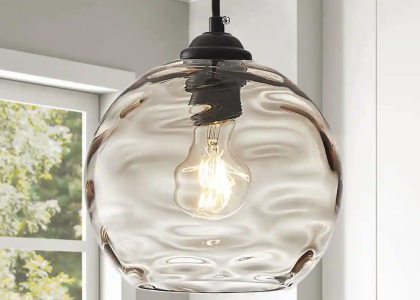
- Glass: Frosted, clear, or smoked glass can diffuse light beautifully, creating a softer glow.
- Wood or Ceramic: These can introduce natural textures and warmth, fitting well into Scandinavian or earthy minimalist styles.
- Fabric: Sometimes, a pendant might have a fabric shade, offering a softer, more traditional minimalist look.
Think about your existing hardware, furniture legs, and other decor elements. Do you want the pendant to match, or do you want it to be a subtle contrast?
Light Output and Bulb Type
While dimmability is essential, the actual light output (measured in lumens) and the bulb type are equally important.
- LED Bulbs: These are almost always the best choice for modern pendants. They are energy-efficient, long-lasting, and many are now designed to be dimmable. Look for bulbs specifically labeled “dimmable.”
- Color Temperature (Kelvin): For a cozy bedroom, you generally want a warmer light. Aim for bulbs in the 2700K to 3000K range. This produces a soft, yellowish-white light similar to traditional incandescent bulbs, which is much more conducive to relaxation than the brighter, bluer light of 4000K or higher.
- Lumens: Don’t get too caught up in wattage; lumens tell you how bright a bulb actually is. For a bedside reading light, you might want 400-600 lumens at its brightest setting. For a central room light, you’ll need more, perhaps 800-1500 lumens, depending on room size and other light sources. Remember, dimmability means you can always reduce this.
Installation and Wiring
Are you replacing an existing fixture, or is this a new installation?
- Hardwired: Most pendant lights are designed to be hardwired into your ceiling electrical box. This requires some basic electrical knowledge or the help of an electrician.
- Plug-in: For renters or those who prefer not to deal with wiring, some minimalist pendants come with a cord and plug, allowing you to hang them from a ceiling hook and plug them into a wall outlet. This often means the cord will be visible, which can be integrated into the minimalist aesthetic with braided or colored cords, but it’s something to consider.
- Switch Type: Ensure your existing wall switch is compatible with dimmable lights, or be prepared to upgrade to a dimmer switch. Some pendants also come with their own integrated dimmer on the cord or fixture itself.
Adjustability and Functionality
Consider how the pendant will function in your daily life.
- Adjustable Height: Many pendants have an adjustable cord length, which is incredibly useful for getting the height just right after installation.
- Swivel or Angled Heads: While less common in truly minimalist designs, some might offer a slight swivel to direct light more precisely, especially if used as a reading light.
Placement Strategies for Optimal Ambiance
Where you hang your pendant light makes a world of difference in how it functions and contributes to the overall bedroom vibe. Don’t just throw it up anywhere; think strategically.
Bedside Companions
This is perhaps the most popular and effective use of modern minimalist dimmable pendants in a bedroom. Instead of traditional table lamps, hang two pendants, one on each side of the bed, roughly where a table lamp would sit.
Advantages of Bedside Pendants
- Saves Space: Frees up your nightstand surfaces for books, a charging phone, or a glass of water.
- Focused Light: Provides direct, downward light perfect for reading in bed without disturbing a partner.
- Symmetry and Style: Creates a balanced, sophisticated look in the bedroom.
- Adjustable Height: You can precisely position them to avoid glare and maximize reading comfort.
- Independent Control (Optional): If wired separately, each pendant can be controlled independently, meaning one person can read while the other sleeps in darkness.
Over a Reading Nook or Armchair
If you have a dedicated corner with an armchair or a small bench where you like to read or simply relax, a single pendant light can define and illuminate this space beautifully.
Creating a Cozy Reading Zone
- Defined Area: The pendant visually carves out this specific zone, making it feel like a retreat within the room.
- Task Lighting: Provides ample, focused light for reading without relying on harsh overhead lighting.
- Dimmable Comfort: You can dim the light to a soft glow when you’re just relaxing, or brighten it for concentrated reading.
- Warmth and Focus: The downward light creates a pool of warmth, enhancing the cozy feel of the nook.
Central Overhead Lighting (for Smaller Rooms)
In smaller bedrooms, a single, well-chosen minimalist dimmable pendant can serve as the primary ambient light source.
Primary Light Source Considerations
- Diffuse Light: Choose a pendant with a shade or globe that diffuses the light rather than directing it too narrowly. Frosted glass or an opaque shade with an open bottom are good options.
- Appropriate Lumens: Ensure the bulb provides enough lumens to adequately light the entire room when at its brightest.
- Dimmability is Crucial: Since this is your main light, the ability to dim it down to a soft glow for bedtime is absolutely essential for ambiance.
- Height: Hang it high enough so that it doesn’t obstruct views or become a head-knocking hazard, but low enough to still provide effective illumination.
Accent Lighting Over Furniture
Less common but still effective, a pendant could be used to highlight a specific piece of furniture, like a dresser or a small desk. This is more about creating visual interest and layering light than providing primary illumination.
Highlighting Features
- Visual Interest: Draws the eye to a particular area or piece of art.
- Layered Lighting: Contributes to a richer, more complex lighting scheme by adding another layer of light beyond general ambient and task lighting.
- Subtle Glow: When dimmed, it can provide a soft, atmospheric glow that enhances the overall mood.
Beyond the Fixture: Bulb and Smart Home Integration
The light fixture itself is only half the story. The bulb you choose and how you control it are equally, if not more, important for achieving that perfect cozy ambiance.
The Right Bulb Makes All the Difference
We touched on this earlier, but it truly bears repeating and expanding upon. The bulb is the heart of your light, dictating its quality and character.
Bulb Characteristics for Ambiance
- Color Temperature (Kelvin): As mentioned, 2700K is ideal for a warm, inviting glow, mimicking late afternoon sun or incandescent bulbs. You can go up to 3000K if you prefer a slightly crisper warm white, but avoid anything higher for a cozy bedroom. Some “tunable white” bulbs allow you to adjust the Kelvin temperature, offering flexibility from warm to cool, but for consistent coziness, sticking to the lower end is best.
- Lumens (Brightness): Don’t automatically go for the brightest bulb. Remember, dimmability is your friend. A bulb that offers around 600-800 lumens at full brightness will give you good task lighting, and then you can dim it down significantly for relaxation.
- Dimmability: This is non-negotiable. Ensure the bulb is explicitly rated as “dimmable.” Not all LED bulbs are, and using a non-dimmable bulb with a dimmer switch can lead to flickering, buzzing, or even damage.
- CRI (Color Rendering Index): A higher CRI (90+) means the light will accurately render colors in your room. While perhaps less critical than color temperature for ambiance, it ensures your decor and skin tones look natural.
- Bulb Shape/Filament: For minimalist pendants with exposed bulbs (like a clear glass globe), consider the bulb’s appearance. Edison-style LED filament bulbs can add a vintage touch, even within a modern context, producing a beautiful, soft glow.
Integrating with Smart Home Systems
Modern minimalist design often goes hand-in-hand with modern convenience. Integrating your dimmable pendant with a smart home system can elevate your bedroom ambiance to a new level of ease and control.
Benefits of Smart Dimmable Lighting
- Voice Control: “Alexa, dim the bedroom lights to 20%.” “Hey Google, set bedroom lights to sunset.” This hands-free control is incredibly convenient, especially when you’re already snuggled in bed.
- Scheduled Scenes and Routines: Program your lights to gradually dim an hour before your bedtime, acting as a gentle wind-down cue. Or, have them slowly brighten in the morning to simulate a sunrise, making waking up a more pleasant experience.
- App Control: Adjust brightness and sometimes even color temperature directly from your phone, without needing to get up.
- Remote Access: Turn lights on or off, or adjust brightness, even when you’re not home, adding an element of security or simply allowing you to set the mood before you arrive.
- Integration with Other Devices: Link your lights with smart blinds, thermostats, or sound machines to create comprehensive “sleep” or “wake up” routines.
Getting Started with Smart Lighting
- Smart Dimmable Bulbs: The simplest way to start is by replacing your regular dimmable LED bulbs with smart dimmable LED bulbs (e.g., Philips Hue, LIFX, Sengled, Wyze). These often connect directly to your Wi-Fi or require a small hub.
- Smart Dimmer Switches: If you prefer to keep your existing dimmable bulbs, you can replace your standard dimmer switch with a smart dimmer switch. This controls the entire circuit and makes all connected lights smart. This often requires basic electrical knowledge.
- Smart Plugs (for Plug-in Pendants): If you’ve opted for a plug-in pendant, a smart plug can turn it on/off and, if the pendant itself has dimming capabilities, potentially control that too (though direct dimming through the plug is less common for plug-in fixtures).
Maintaining Your Minimalist Look and Longevity
You’ve invested in a sleek, functional light. Now, a few tips to keep it looking sharp and working well for years to come. Minimalist design thrives on cleanliness and simplicity, and that extends to care.
Regular Cleaning and Dusting
Dust is the enemy of minimalist aesthetics. It collects quickly on light fixtures, especially those with unique shapes or exposed bulbs.
- Wipe Down Frequently: Use a soft, dry microfiber cloth to gently wipe down the fixture and bulbs once a week or every couple of weeks.
- Gentle Cleaning for Specific Materials:
- Metals: For matte or brushed finishes, avoid harsh chemicals that can strip the finish. A slightly damp cloth followed by a dry buff is usually sufficient. Polished metals might benefit from a gentle glass cleaner.
- Glass Shades: These can be carefully removed (if applicable) and washed with warm soapy water, then thoroughly dried to avoid water spots. For non-removable glass, a spray of glass cleaner on a cloth (never directly on the fixture) works well.
- Wood/Ceramic: A dry or slightly damp cloth is best, avoiding anything abrasive.
Bulb Replacement Best Practices
Even long-lasting LED bulbs will eventually need replacing.
- Match Specifications: When replacing a bulb, always refer to the fixture’s maximum wattage rating and ensure the new bulb’s base (e.g., E26, E12) and type are compatible.
- Maintain Dimmability: Always choose a dimmable LED bulb if your fixture and switch are designed for it.
- Power Off: Before replacing any bulb, always turn off the power at the wall switch AND, ideally, at the circuit breaker to prevent accidental shocks.
- Handle with Care: Allow bulbs to cool completely before touching them. Use a clean, dry cloth or gloves when handling new bulbs to avoid leaving oil residue, which can affect performance or even cause premature failure.
Addressing Electrical Issues
If you notice flickering, buzzing, or your light isn’t dimming properly, it’s worth investigating.
- Check Bulb Compatibility: The most common culprit for dimming issues is an incompatible bulb. Ensure your LED bulb is specifically labeled “dimmable.”
- Dimmer Switch Compatibility: If you have an older dimmer switch, it might not be compatible with modern LED technology. Many older dimmers were designed for incandescent bulbs and have a higher minimum load requirement. Upgrading to an LED-compatible dimmer switch often resolves these problems.
- Loose Connections: If the issue persists, and you’re comfortable and knowledgeable, you can (with the power off at the breaker!) carefully check the wiring connections at the fixture and switch for any looseness. If not, it’s best to call a qualified electrician.
By paying a little attention to these details, your modern minimalist dimmable pendant light will not only contribute to a cozy bedroom ambiance but also remain a beautiful and functional part of your home for many years. It’s about combining aesthetics with practical care for lasting enjoyment.