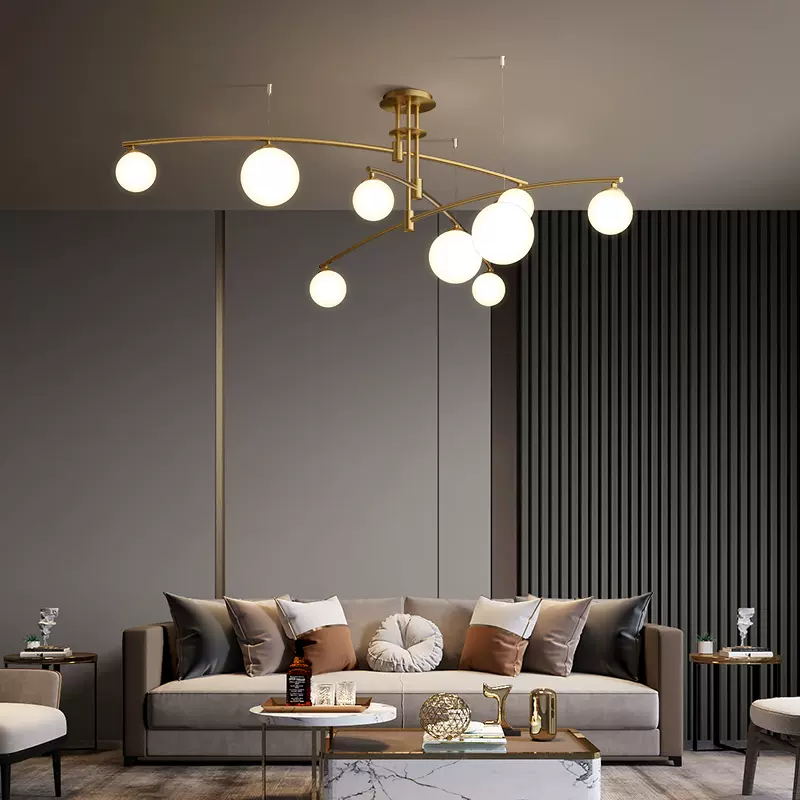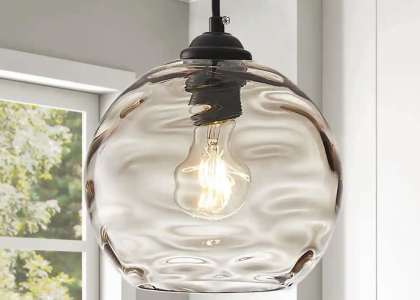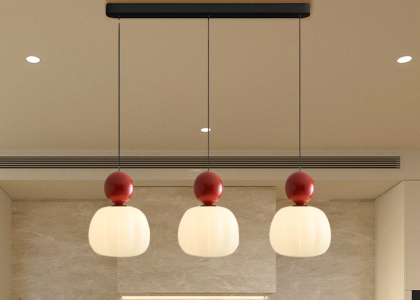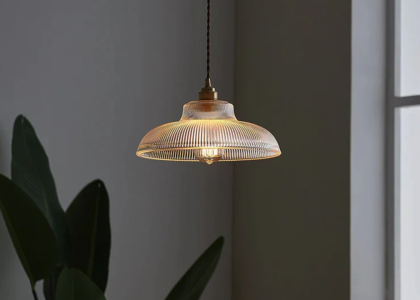

A transitional alabaster globe pendant light is a fantastic way to upgrade your reading nook, offering a soft, diffused glow that’s both stylish and practical. It blends classic elegance with modern simplicity, creating an inviting atmosphere perfect for diving into a good book.
Why Alabaster and Globe Pendants Work So Well
When you’re thinking about lighting for a cozy reading space, you really want something that’s not just functional but also adds to the overall feel of the room. This is where the alabaster globe pendant really shines. It’s not just a light source; it’s a statement piece that enhances the comfort and aesthetics of your nook.
The Unique Appeal of Alabaster
Alabaster isn’t your average material. It’s a natural stone, often a form of gypsum or calcite, and it has this incredible ability to diffuse light in a way that synthetic materials just can’t replicate. When light passes through alabaster, it doesn’t just brighten the space; it creates a soft, warm, and slightly ethereal glow. This isn’t a harsh, direct light that will strain your eyes after a few chapters. Instead, it’s a gentle, inviting illumination that makes everything feel a little cozier.
Think about the natural veining and subtle variations within the stone. Each alabaster globe is unique, almost like a piece of art. This adds a layer of organic texture and visual interest that mass-produced glass or metal fixtures often lack. It brings a touch of natural beauty indoors, which is always a plus for creating a calming environment.
The Enduring Charm of the Globe Form
The globe shape is timeless for a reason. It’s universally appealing, offering a clean, uncluttered aesthetic that fits into almost any decor style. In a reading nook, where you often want to keep things simple and focused, a globe pendant avoids adding visual noise. It’s a harmonious shape that distributes light evenly, preventing harsh shadows or overly bright spots that can be distracting when you’re trying to concentrate on your book.
Functionally, the globe also helps to contain and direct the light downwards and outwards in a gentle sweep, which is ideal for illuminating a reading area without creating glare or impacting other parts of the room. It’s a simple form, but its effectiveness in lighting design is profound.
The “Transitional” Sweet Spot
The term “transitional” in design refers to a style that bridges the gap between traditional and modern. It takes the comfort and classic elements of traditional design and pairs them with the clean lines and updated materials of modern aesthetics. For lighting, this means you get something that feels both familiar and fresh.
An alabaster globe pendant, by its very nature, embodies this transitional quality. The alabaster itself speaks to a timeless, natural material often found in older, more ornate designs. Yet, when sculpted into a simple, unadorned globe, it takes on a contemporary edge. This makes it incredibly versatile. It won’t look out of place in a room with antique furniture, nor will it clash with a more minimalist, modern setup. It’s adaptable, which is a huge advantage when you’re trying to create a cohesive look without committing too heavily to one extreme style.
This balance is key for a reading nook. You want a space that feels comfortable and familiar, but also sophisticated and current. A transitional alabaster globe pendant achieves this beautifully, acting as a subtle anchor that grounds the space with its refined simplicity.
Practical Considerations for Your Nook
Choosing the right light isn’t just about how it looks; it’s also very much about how it functions in your specific space. A reading nook has unique requirements that call for a bit more thought than just hanging any old light.
Sizing It Right: Don’t Underestimate the Impact
One of the biggest mistakes people make with pendant lights is choosing the wrong size. Too small, and it looks lost, failing to provide adequate light and appearing insignificant in the space. Too large, and it can overwhelm the nook, making the area feel cramped and visually heavy.
For a reading nook, you’re generally looking at a more intimate scale. A good rule of thumb is to consider the dimensions of your seating area and the overall ceiling height. If you have a small armchair and a side table, a pendant with a diameter of 8-12 inches might be perfect. For a larger chaise lounge or a built-in window seat, you might go up to 14-16 inches. The goal is for the pendant to feel proportional to the area it’s illuminating, not dominating it.
Also, think about the light source itself. Alabaster, being translucent, means the light source inside will be somewhat visible. A larger globe allows for a slightly larger bulb, potentially offering more lumen output if needed, but the diffusion of alabaster means you won’t need an incredibly bright bulb to begin with.
Getting the Height Just So
The height at which you hang your pendant is crucial for both functionality and aesthetics. If it’s too high, the light will spread too broadly, losing its focused quality for reading. If it’s too low, it can become an obstruction, blocking your view or creating an uncomfortable glare in your line of sight.
For a reading nook, a common guideline is to have the bottom of the pendant hang roughly 30-36 inches above the surface it’s illuminating – whether that’s the arm of your chair, a small side table, or directly above your head when seated. However, this isn’t a hard and fast rule. Sit in your reading chair, mimic your reading posture, and have someone hold the light at various heights. You want the light to comfortably illuminate your book without being directly in your eye line. You should also be able to easily get in and out of the chair without bumping your head on the fixture. Adjustable cords are a huge benefit here, allowing you to fine-tune the height after installation.
Bulb Choice: Beyond Just “On” or “Off”
The bulb you choose for your alabaster globe pendant is arguably just as important as the fixture itself. Since alabaster diffuses light so beautifully, you have a lot of flexibility, but some choices will enhance its qualities more than others.
- Warm White (2700K-3000K): This is typically the best choice for a reading nook. It mimics the warm glow of incandescent bulbs, creating a cozy and inviting atmosphere that’s easy on the eyes. This color temperature enhances the warm tones in the alabaster itself, making it feel even more luxurious.
- Dimmable LEDs: Absolutely essential. A dimmer switch allows you to adjust the light output to suit different times of day or different reading materials. You might want a brighter light for detailed work or a softer glow for casual reading in the evening. Dimmable LEDs are energy-efficient and offer a wide range of brightness.
- Bulb Shape: Since the alabaster is translucent, the shape of the bulb can sometimes be subtly visible. An omni-directional bulb (one that emits light in all directions, like a traditional A-shape or a frosted globe bulb) will provide the most even diffusion through the alabaster. Avoid clear bulbs with exposed filaments unless you specifically want that look, as the distinct filament might be visible through the stone.
- Lumens: Don’t chase high lumens for a reading nook. Because the light is focused on a small area and diffused by the alabaster, you’ll likely need fewer lumens than you think. Aim for something in the 400-800 lumen range (equivalent to a 40W-60W incandescent bulb) and rely on the dimmer to fine-tune it.
Remember, the goal is comfort and effective task lighting without creating harshness. The right bulb selection will optimize your alabaster pendant’s performance.
Design Integration: Making It Part of the Flow
A reading nook isn’t an island; it’s part of a larger room or space. Making sure your alabaster globe pendant integrates seamlessly into the overall design will elevate your nook from just a functional spot to a truly harmonious retreat.
Harmonizing with Existing Decor
The beauty of a transitional alabaster globe pendant is its adaptability. It won’t usually scream for attention but rather complements the existing elements.
- Color Palette: Consider the dominant colors in your room. If you have warm neutrals, the natural warmth of alabaster will blend beautifully. If your room features cooler tones, the alabaster can introduce a subtle warmth without clashing. The natural, milky white of alabaster is incredibly versatile and acts almost like a neutral itself.
- Material Mix: Look at the materials already present. Do you have wood, metal, textiles? Alabaster introduces an organic, stone element that can add depth and contrast. If you have a lot of soft textures (plush rugs, upholstered furniture), the smooth, hard surface of the alabaster can provide a pleasing tactile difference. Conversely, if your room leans towards harder surfaces, the soft glow and natural variations of alabaster can soften the overall feel.
- Style Blend: Since it’s transitional, it can bridge traditional and modern elements. If your room is predominantly traditional, the clean lines of the globe can offer a subtle modern update. If your room is modern, the natural material and diffused light can add a touch of warmth and softness that prevents the space from feeling too stark.
Creating a Focal Point (Without Overdoing It)
While the pendant is a significant element, you don’t necessarily want it to be the only thing people notice. In a reading nook, the focus should remain on the act of reading and relaxation. The pendant should enhance that, not distract from it.
- Strategic Placement: Position the pendant so it draws the eye gently towards the reading area. If your nook is defined by an armchair, the light should hang directly above or slightly to the side, creating an inviting pool of light.
- Layering Light: The pendant should be part of a larger lighting scheme. It serves as your task lighting for reading. You might have ambient light from recessed fixtures or a floor lamp in the wider room, and perhaps a small accent lamp on a side table in the nook itself for a soft, low glow when the main pendant isn’t needed. This layering creates depth and allows for flexible lighting depending on your mood and activity.
- Complementary Accessories: The pendant can inspire other choices in the nook. Perhaps a side table with a natural stone top, or a throw blanket with subtle, organic textures that echo the alabaster’s natural variations. These small touches can reinforce the natural elegance introduced by the pendant without making the light fixture feel overly dramatic.
Thinking About the “Off” Look
It’s easy to focus on how a light looks when it’s on, but it’s equally important to consider its appearance when it’s off. An alabaster globe pendant holds its own even when unlit.
- Sculptural Quality: The globe itself is a beautiful sculptural form. The natural veining and translucence of the alabaster provide visual interest even when the light isn’t emitting a glow. It can look like a piece of art hanging in your space.
- Reflective Qualities: During the day, natural light will interact with the alabaster, highlighting its unique characteristics and giving it a subtle sheen. It won’t just be a dull, inert object; it will still contribute to the room’s aesthetic.
- Daytime Integration: Ensure that its form and material blend well with the daylight aesthetic of your room. The neutral color of alabaster ensures it doesn’t stand out awkwardly but rather integrates as an elegant, subtle presence.
Installation Notes: What to Expect
Even if you’re hiring an electrician (which is highly recommended for ceiling fixtures), understanding the installation process can help you communicate your needs and ensure a smooth setup.
The Right Box and Support
This might sound overly technical, but it’s important. Ceiling light fixtures, especially those made of stone like alabaster, can be heavier than your average flush mount.
- Ceiling Junction Box: You’ll need a properly installed and secured ceiling junction box. This box is where the electrical connections are made and where the fixture’s weight is ultimately supported.
- Weight Rating: Most standard ceiling boxes are rated to support fixtures up to 50 pounds. However, if your alabaster globe pendant is particularly large or solid, it might exceed this. In such cases, your electrician might need to install a special heavy-duty box or an additional bracing system within the ceiling joists. This is crucial for safety and preventing the fixture from eventually pulling away from the ceiling. Always check the fixture’s specifications for its weight.
- Location: Ensure the junction box is positioned exactly where you want the light to hang. Moving it can involve drywall repair and additional work, so careful planning upfront saves headaches.
Wiring: It’s Not Rocket Science, But Safety First
The wiring process itself is fairly standard for a pendant light.
- Basic Connections: An electrician will connect the fixture’s wires (typically black/hot, white/neutral, and green/ground) to the corresponding wires in your ceiling junction box. This needs to be done correctly to ensure safe operation.
- Grounding: Proper grounding is essential for electrical safety, protecting against shocks in case of a fault. Your electrician will ensure this is correctly established.
- Dimmer Switch Compatibility: If you’re installing a dimmer, make sure it’s compatible with LED bulbs (if you’re using them) and that it’s properly wired into the circuit. Some older dimmer switches aren’t designed for LEDs and can cause flickering or damage to the bulbs.
Adjusting the Cord Length
Most pendant lights come with a generous length of cord or chain, allowing for significant adjustment.
- Pre-Installation Measurement: While the fixture isn’t fully installed, you and your electrician can roughly determine the ideal hanging height based on your earlier measurements (30-36 inches above your reading surface, or your customized height).
- Trimming or Coiling: Excess cord can either be cut and rewired (a job for an electrician!) or neatly coiled and tucked into the canopy (the decorative cup that covers the junction box on the ceiling). Some pendants have mechanisms for adjusting the cord length within the canopy without cutting, which offers more flexibility for future adjustments.
- Leveling: Once installed, ensure the globe hangs perfectly level. Sometimes minor adjustments to the cord or canopy screws are needed to achieve this.
Bulb Installation
This is usually the easiest part, but still worth a mention.
- Careful Handling: Alabaster is a natural stone and, while durable, can be susceptible to chipping or breaking if mishandled. Be gentle when installing or replacing bulbs.
- Gently Screw In: Screw the bulb in firmly but don’t overtighten it. You don’t want to crack the socket or make it difficult to remove later.
- Test: Before finishing up, always test the light with the dimmer to ensure everything is working as expected.
Caring for Your Alabaster Pendant
An alabaster globe pendant is an investment, both financially and aesthetically. A little bit of care goes a long way in keeping it looking beautiful and extending its lifespan.
General Cleaning and Dusting
Alabaster is a porous natural stone, so it requires a gentler approach than glass or metal fixtures.
- Regular Dusting: The best defense is regular dusting. Use a soft, dry microfiber cloth or a feather duster to gently wipe down the surface of the globe. This prevents dust buildup from becoming embedded.
- Avoid Abrasives: Never use abrasive cleaners, scouring pads, or harsh chemicals. These can scratch the surface or, worse, chemically react with the stone, causing discoloration or damage.
- Gentle Wiping for Marks: For any smudges or marks, slightly dampen a very soft cloth with plain water (distilled water is best to avoid mineral deposits if your tap water is hard). Gently wipe the area, then immediately follow with a dry cloth to ensure no moisture lingers. Don’t rub vigorously.
What to Avoid: Common Pitfalls
Knowing what not to do is just as important as knowing what to do.
- Excessive Moisture: Alabaster is susceptible to water damage and staining. Do not use wet cloths, sprays, or immerse any part of the fixture in water. Moisture can penetrate the stone, leading to cloudiness, yellowing, or mineral deposits. This is especially true if the stone is unsealed.
- Acidic or Alkaline Cleaners: Stay away from common household cleaners like window cleaner, bleach, or anything with citrus or vinegar. These can etch or discolor the alabaster.
- Oil-Based Products: Avoid furniture polish or oily cleaners. These can leave a greasy residue that attracts dust and can potentially seep into the porous stone, causing permanent stains.
- Direct Sunlight (Prolonged): While a little sunlight is fine, prolonged exposure to intense, direct sunlight can potentially cause some alabaster to yellow or become brittle over time. If your reading nook gets a lot of direct sun, you might consider window treatments to protect your fixture (and your books!).
- Harsh Handling: As mentioned during installation, treat the alabaster globe gently. It’s stone, but it can chip or crack if dropped or bumped forcefully.
Long-Term Maintenance and Sealing
Depending on the manufacturer, your alabaster globe might come sealed, or it might be raw. Sealing provides a protective barrier.
- Manufacturer’s Recommendations: Always consult the specific care instructions provided by the manufacturer of your pendant. They will know best if their alabaster is sealed, what type of seal it has, and what specific cleaning agents (if any beyond water) are safe.
- Resealing (If Needed): If your alabaster globe is unsealed or if the seal wears off over time, you might consider having it professionally resealed. A stone sealer designed for porous natural stones (often used for marble or travertine) can offer protection against moisture and stains. This is not a DIY job unless you are experienced with stone care. A professional will know the right product and application method to maintain the stone’s natural beauty without altering its appearance.
- Check for Cracks/Damage: Periodically inspect your globe for any hairline cracks or chips, especially if it’s been bumped. Small imperfections are part of natural stone, but significant damage could affect its integrity or light diffusion.
By following these simple care guidelines, your transitional alabaster globe pendant will continue to be a beautiful and functional centerpiece for your reading nook for many years to come.