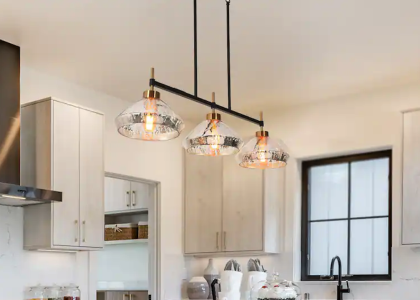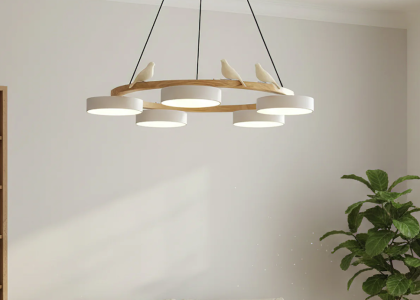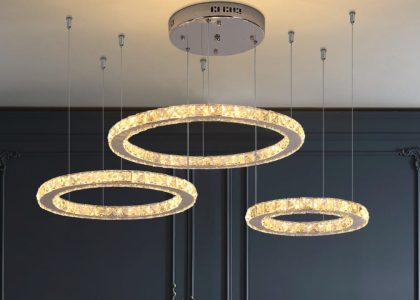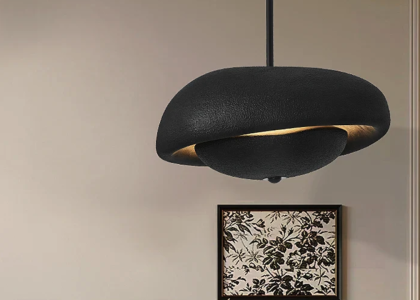

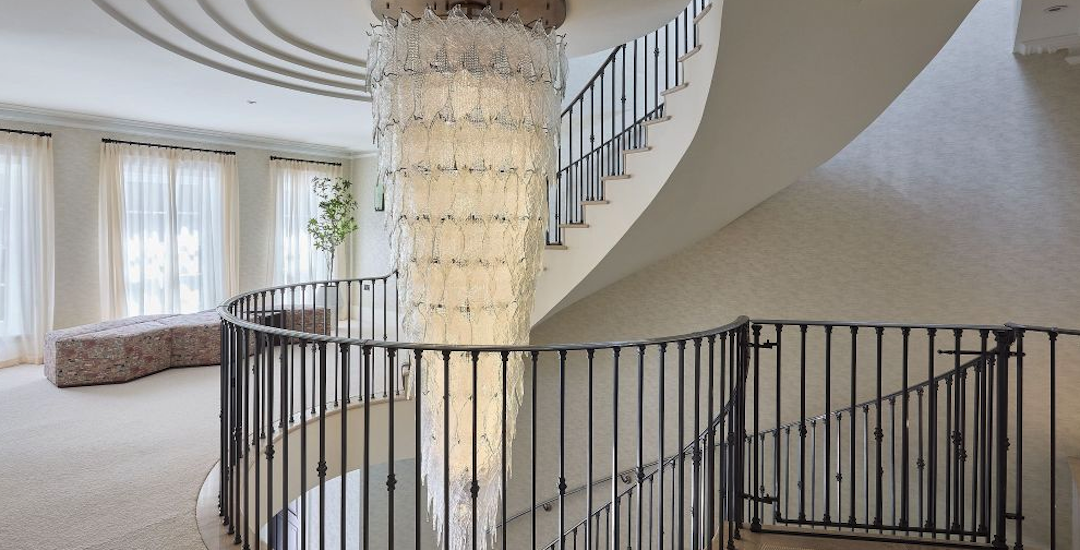
You’re looking to elevate your staircase, and an LED chandelier can definitely do the trick. A well-chosen LED chandelier isn’t just about light; it’s about making a statement, enhancing the feel of your home, and doing it all with an eye toward practicality and efficiency.
Choosing LED for your staircase chandelier Martliving goes beyond just a modern look. There are some compelling reasons why this technology is a smart choice for such a prominent fixture in your home.
Energy Efficiency Matters
Incandescent bulbs are energy hogs. Halogens are a bit better, but still consume a fair amount of power. LEDs, on the other hand, are incredibly efficient. When you have a chandelier with numerous bulbs, this difference in energy consumption really adds up. Over time, you’ll see a noticeable reduction in your electricity bill, which is a practical benefit that keeps on giving.
Longevity and Reduced Maintenance
Imagine having to change a bulb in a large chandelier hanging high above a staircase. It often involves ladders, sometimes even scaffolding, and a fair bit of effort. Traditional bulbs burn out relatively quickly. LEDs have a much longer lifespan, often lasting tens of thousands of hours. This means less frequent bulb changes, saving you time, hassle, and potentially the cost of hiring someone to do it.
Design Flexibility
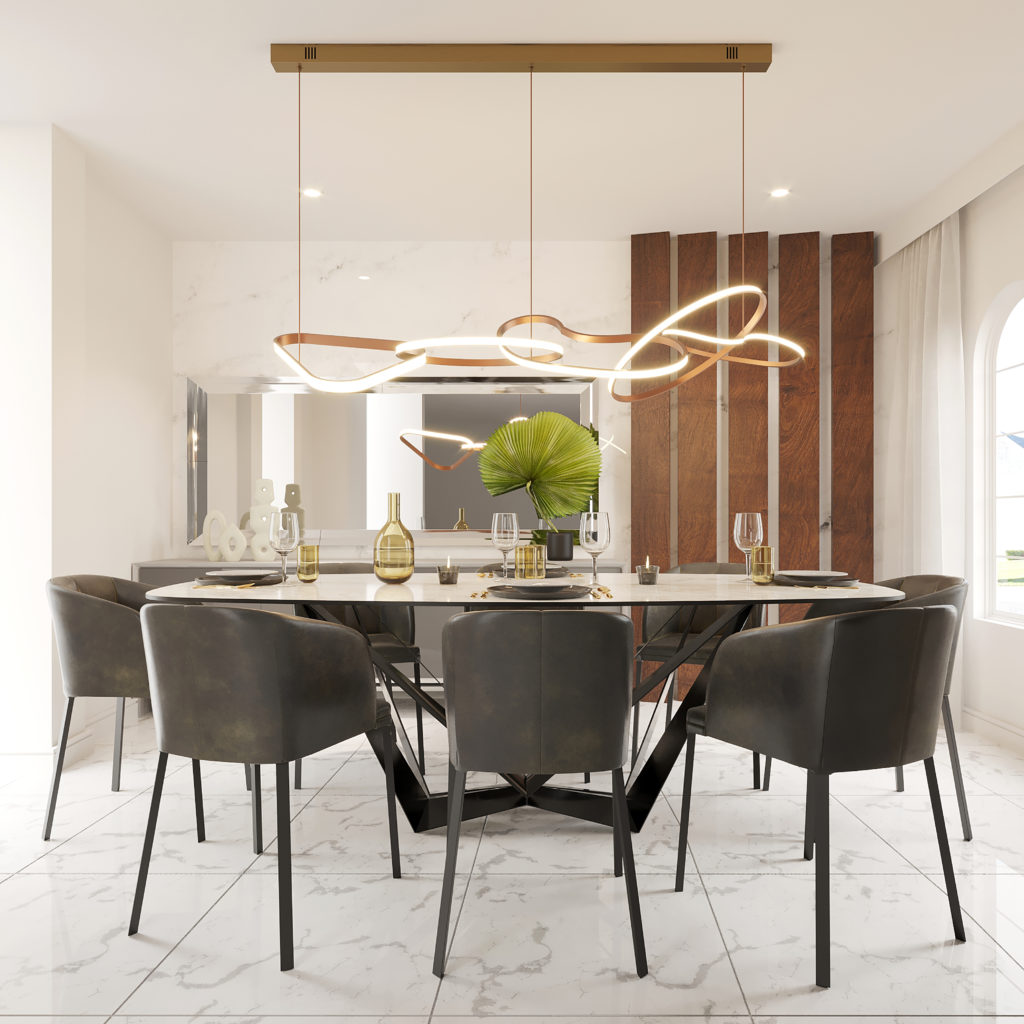
LEDs are small and produce less heat than traditional bulbs, which gives designers a lot more freedom. You’ll find LED chandeliers in shapes and configurations that simply wouldn’t be possible with incandescent or even halogen bulbs. This opens up a world of unique and modern designs, allowing you to find something truly special for your staircase.
Key Considerations for Sizing and Placement
Getting the right size and placement for your staircase chandelier is crucial. A chandelier that’s too small will look lost, while one that’s too large can overpower the space.
Ceiling Height and Staircase Dimensions
Measure your ceiling height at the highest point above the staircase. As a general rule, a good starting point for chandelier height is to allow for about 7 feet of clearance from the lowest point of the chandelier to the floor. However, with a staircase, you need to consider the varying height as you ascend or descend. The chandelier should be positioned so it’s visually impactful from both the top and bottom of the stairs, and doesn’t impede movement or feel too close overhead when you’re on the top landing.
Visual Weight and Proportion
The visual weight of the chandelier should be proportionate to the size of your staircase and the overall scale of your home. A massive, multi-tiered chandelier might look impressive in a grand foyer with a wide, sweeping staircase, but could feel overwhelming in a narrower, more modest space. Conversely, a delicate, minimalist chandelier might get lost in a voluminous area. Consider the width and depth of the staircase landing as well.
Natural Light Interaction
Think about how natural light interacts with the space during the day. A very reflective chandelier might create interesting light play, or it could feel glary depending on your windows. If your staircase receives a lot of direct sunlight, you might want a fixture that diffuses light rather than reflecting it intensely.
Style and Aesthetic: Matching Your Home’s Vibe
The look of your LED chandelier should complement your home’s existing aesthetic. This isn’t about perfectly matching every detail, but rather ensuring a cohesive feel.
Modern and Contemporary Designs
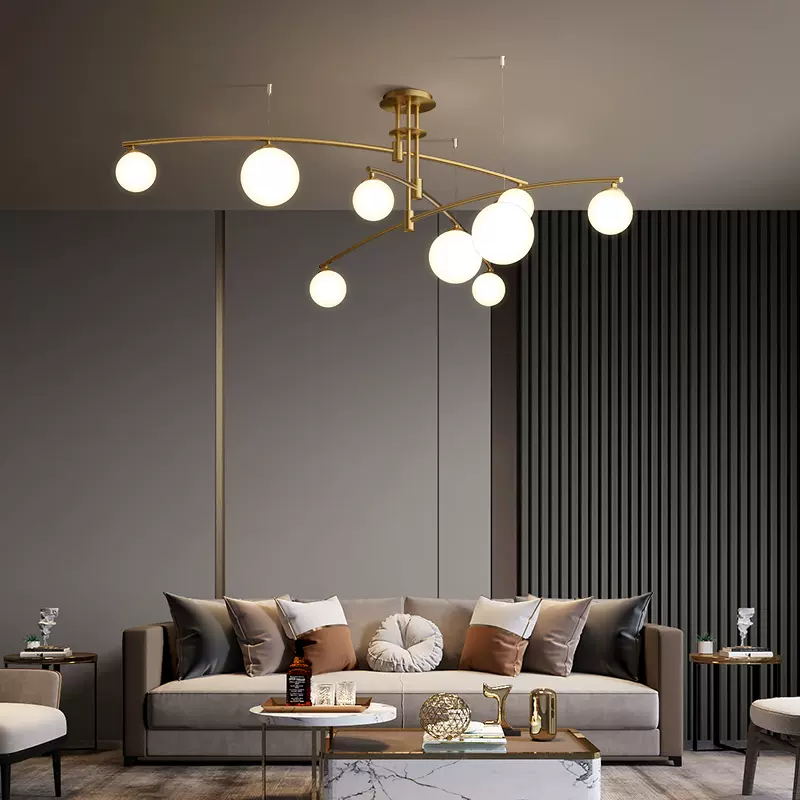
For homes with a modern or contemporary style, sleek, minimalist LED chandeliers are often a good fit. Think clean lines, geometric shapes, and materials like polished chrome, brushed nickel, or black finishes. Many modern LED chandeliers feature integrated light sources, creating a seamless and architectural look.
Industrial and Loft Styles
If your home leans towards an industrial or loft aesthetic, look for chandeliers that incorporate raw materials like exposed metal, dark finishes, and perhaps a more deconstructed look. Some industrial-style LED chandeliers feature exposed wires or cage designs that fit well with this particular vibe.
Classic and Traditional Touches
Even in traditional homes, LED chandeliers can work. Many manufacturers now offer classic designs – think crystal chandeliers or multi-arm fixtures – but updated with LED technology. The key here is to choose a fixture that has traditional elements but benefits from the modern efficiency and longevity of LEDs. Look for finishes like bronze, antique brass, or even ornate black iron, depending on your specific decor.
Eclectic and Unique Statement Pieces
For those who prefer a more eclectic approach, an LED chandelier can be a fantastic way to introduce a unique sculptural element. These might be custom-designed pieces, art installations, or chandeliers made from unexpected materials. The beauty of LED is its versatility, allowing for creative forms that can truly stand out.
Practical Features and Functionality
Beyond just looks, there are practical features in LED chandeliers that can greatly enhance their usefulness and your daily living.
Dimmability and Light Control
This is a big one. Being able to dim your chandelier allows you to adjust the ambiance to suit different times of day or different occasions. Bright light for cleaning, soft light for evening relaxation – dimmers offer flexibility. Most LED chandeliers are dimmable, but it’s important to verify this before purchase and ensure you have a compatible LED dimmer switch installed.
Color Temperature Options
LEDs come in various color temperatures, measured in Kelvin (K).
- Warm White (2700K-3000K): This mimics traditional incandescent bulbs, offering a cozy and inviting glow. It’s often preferred for living spaces and bedrooms.
- Neutral White (3500K-4000K): A balanced light that’s good for task lighting or spaces where you want a clean, bright feel without being too stark.
- Cool White/Daylight (5000K-6500K): This is a brighter, whiter light, similar to natural daylight during the day. It can feel very modern and energizing, but some find it too harsh for residential living areas.
Many LED chandeliers offer the ability to adjust the color temperature, providing even greater control over the mood and functionality of your lighting.
Smart Home Integration
If you’re already in the smart home game, consider an LED chandelier that integrates with systems like Google Home, Amazon Alexa, or Apple HomeKit. This allows for voice control, scheduled lighting changes, and even remote access from your phone. It adds a layer of convenience and modernity to your lighting setup.
Adjustable Cables and Installation Considerations
Some large LED chandeliers feature individual elements that hang at various lengths. Look for models with adjustable cables. This gives you flexibility during installation to create the exact configuration you desire, perfectly fitting the height and slope of your staircase. Always consider the complexity of installation; some larger, more intricate designs may require professional help.
Maintenance and Longevity
While LEDs are known for their low maintenance, there are still a few things to keep in mind to ensure your chandelier looks its best for years to come.
Cleaning and Dusting
Even the most beautiful chandelier will lose its sparkle if it’s covered in dust. Regular, gentle dusting with a soft cloth or a duster with an extendable handle is usually sufficient. For more intricate designs or crystal elements, a slightly damp microfiber cloth (distilled water is best to avoid streaks) can work wonders, but always turn off the power to the fixture first. Avoid harsh chemical cleaners as they can damage finishes or coatings.
Checking Connections
While rare, it’s a good idea to periodically check if any individual components or connections seem loose, especially in chandeliers with numerous hanging elements. If you notice any flickering or inconsistent lighting, it might be an indicator of a loose connection, which should be addressed by a qualified electrician.
Future-Proofing
When choosing an LED chandelier, consider if the LED components are replaceable. Some integrated LED fixtures have bulbs that are not easily changed, meaning if one part fails, the entire fixture might need replacement. Other designs use standard LED bulbs or modules that can be replaced, offering more longevity for the fixture itself. This is a practical consideration for a long-term investment.
Ultimately, an LED chandelier above your staircase is a functional piece that can also serve as a distinctive architectural element. With careful consideration of size, style, and features, you can choose a fixture that not only brightens your home but also subtly elevates its overall character.