
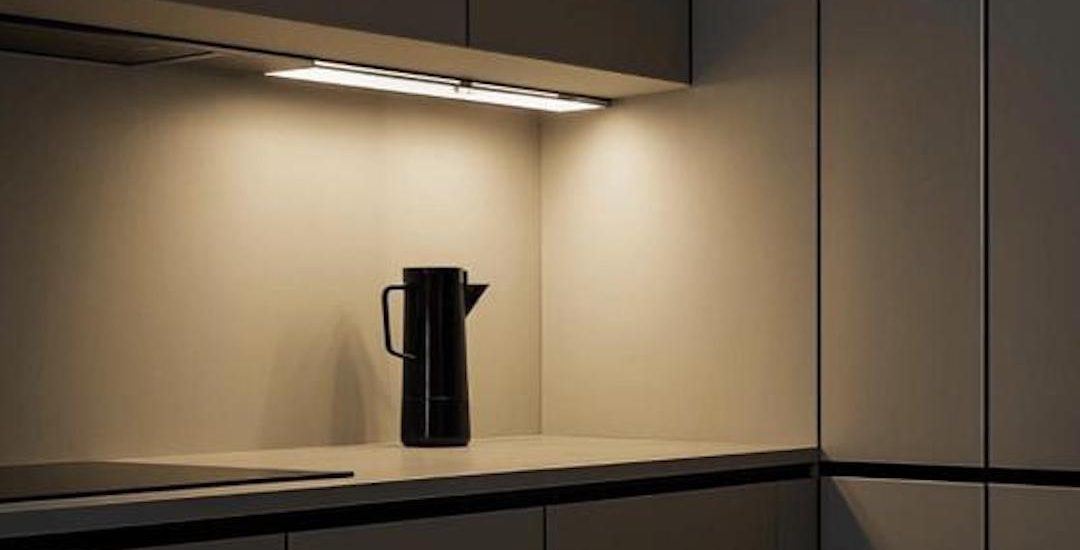
Cabinet puck lights, particularly those utilizing Light Emitting Diode (LED) technology, offer a practical and energy-efficient means of illuminating interior spaces, most notably kitchen cabinets and display shelving. Their compact design, ease of installation, and customizable lighting options have contributed to their widespread adoption in residential and commercial settings. This article provides an overview of LED cabinet puck lights, exploring their functionalities, benefits, and considerations for selection and application.
LED cabinet puck lights Mosundesign are small, disk-shaped lighting fixtures designed for discreet installation, typically beneath or within cabinetry. Unlike traditional incandescent or halogen bulbs, LEDs are semiconductor devices that emit light when an electric current passes through them. This fundamental difference underpins many of the advantages associated with LED technology. The “puck” design refers to their form factor, allowing them to be mounted flush or semi-recessed without significantly protruding or altering the appearance of the cabinet.
The Technology Behind the Glow: LED Principles
At the core of an LED cabinet puck light is the semiconductor junction. When electrons within the semiconductor material recombine with electron holes, they release energy in the form of photons, which we perceive as light. The specific materials used in the semiconductor determine the color and efficiency of the emitted light. LEDs are known for their longevity, generating significantly less heat than incandescent bulbs, which is crucial for installations near flammable materials or in enclosed spaces. The durability of solid-state LEDs also makes them less susceptible to breakage compared to filament-based bulbs.
Anatomy of an LED Puck Light: Components and Construction
An individual LED cabinet puck light unit typically comprises several key components. The light source itself consists of one or more LED chips. These chips are mounted on a circuit board, often a printed circuit board (PCB), which also houses the necessary driver circuitry to regulate the power supplied to the LEDs. A lens or diffuser is positioned over the LEDs to spread the light evenly and reduce glare. The housing of the puck light, usually made from plastic or metal, protects the internal components and provides a mounting surface. Some units may also include integrated switches or sensors, while others are designed to be controlled by external power adapters and switches. The power source can vary, including low-voltage DC adapters, battery packs, or direct hardwiring into the home’s electrical system, depending on the model and installation requirements.
Differentiating LED Types: Color Temperature and Brightness
When considering LED cabinet puck lights, two primary specifications are important: color temperature and brightness (measured in lumens). Color temperature describes the appearance of the light emitted, categorized on a scale from warm white to cool white. Warm white (typically 2700K to 3000K) mimics the soft, yellowish glow of incandescent bulbs, creating a cozy atmosphere. Neutral white (around 3500K to 4000K) offers a balanced light that is neither too warm nor too cool, often preferred for general kitchen lighting. Cool white or daylight (5000K and above) produces a crisp, bluish-white light that can enhance visibility and detail, making it suitable for task lighting or display areas. Brightness, quantified in lumens, indicates the total amount of visible light emitted by the fixture. Higher lumen counts signify brighter illumination. The required lumen output will depend on the size of the area to be lit, the desired level of illumination, and ambient light conditions.
Advantages of LED Cabinet Puck Lights
The adoption of LED cabinet puck lights stems from a confluence of practical benefits that address common lighting challenges in homes and businesses. Their energy efficiency, longevity, and design flexibility are key drivers of their popularity.
Energy Efficiency: A Lighter Footprint on Utility Bills
One of the most significant advantages of LED cabinet puck lights is their superior energy efficiency compared to traditional lighting technologies. LEDs consume considerably less electricity to produce the same amount of light output. This translates directly into lower energy bills for consumers. For example, an LED bulb can use up to 80% less energy than an incandescent bulb with a comparable lumen output. This efficiency is not merely an economic benefit; it also contributes to a reduced environmental footprint by lowering overall energy demand, which in turn can decrease greenhouse gas emissions associated with power generation.
Longevity and Reduced Maintenance: A Set-and-Forget Solution
LEDs boast an exceptionally long lifespan, often rated for tens of thousands of hours of operation. This longevity substantially reduces the frequency of bulb replacements. For cabinet lighting, where bulbs can be difficult to access, this extended lifespan translates into significant cost savings and convenience, minimizing the need for climbing ladders or disassembling fixtures. The durable nature of LEDs, lacking fragile filaments, also makes them more resistant to vibration and shock, further contributing to their reliable performance and reduced maintenance requirements over time.
Versatile Applications: Beyond the Kitchen Cabinet
While commonly associated with under-cabinet lighting in kitchens, LED puck lights offer a broad spectrum of applications. They can be used to illuminate bookshelves, highlight artwork, accent display cases in retail environments, or provide task lighting in workshops. Their low profile makes them suitable for even tight spaces, where larger fixtures might be impractical or aesthetically unappealing. In entertainment areas, they can be used to create subtle mood lighting or highlight architectural features. Their adaptability makes them a versatile tool for designers seeking to enhance the visual appeal and functionality of various spaces.
Improved Heat Management: A Cooler Approach to Illumination
Compared to incandescent and halogen bulbs, LEDs generate significantly less heat. This is a crucial consideration for enclosed spaces like cabinets. Excessive heat can lead to discoloration of cabinet materials, damage to sensitive items stored within, and even pose a fire hazard. The cooler operation of LED puck lights mitigates these risks, making them a safer and more suitable choice for illuminating enclosed areas. This also contributes to a more comfortable ambient temperature in the immediate vicinity of the lights.
Installation and Mounting Options
The installation of LED cabinet puck lights is generally straightforward, offering flexibility for various skill levels and cabinet types. The method of installation will depend on whether the lights are battery-powered, plug-in, or hardwired.
Surface Mounting: Straightforward Application
Surface mounting is the most common and simplest installation method for LED cabinet puck lights. The lights are attached directly to the underside or inside surface of the cabinet using adhesive strips, screws, or mounting brackets provided with the fixture. Adhesive options are ideal for renters or for temporary installations, as they avoid permanent modifications to the cabinetry. Screw-on mounting provides a more secure and permanent attachment. For lights that come with a separate mounting plate, this plate is affixed to the surface first, and then the puck light is attached to the plate, often with a twist-and-lock mechanism.
Recessed Mounting: A Seamless Integration
Recessed mounting involves creating a cutout in the cabinet surface to accommodate the puck light, allowing it to sit flush with the surface. This method creates a cleaner, more integrated look, as the light fixture is less visible when not in use. Recessed mounting typically requires more precision and tools, such as a drill with a hole saw or a jigsaw, to create the appropriate opening. This approach is often favored for higher-end cabinetry or when a minimalist aesthetic is desired. The depth of the recess must be carefully measured to ensure the light fits snugly and the wiring can be concealed.
Battery-Powered vs. Plug-in vs. Hardwired: Powering Your Illumination
The power source for LED cabinet puck lights dictates the installation complexity and flexibility.
Battery-Powered Puck Lights: Ultimate Portability
Battery-powered LED puck lights offer the highest degree of portability and ease of installation, as they require no direct connection to a power outlet or electrical wiring. They are an excellent choice for areas where running power cords is impractical or undesirable, such as in pantries, closets, or temporary display areas. The primary consideration with battery-powered lights is the ongoing cost and effort of replacing batteries. The battery life will vary depending on the usage frequency and the type of batteries used. Some models feature motion sensors or timers to help conserve battery power.
Plug-in Puck Lights: Convenience for Accessible Outlets
Plug-in LED puck lights provide a convenient solution for areas with accessible electrical outlets. These lights typically come with a transformer that plugs into the wall, and then a wire leads to the puck lights. This setup eliminates the need for battery replacements but requires the presence of an outlet near the installation area and may involve managing visible power cords, which can be aesthetically unappealing. Cable management accessories can help to conceal these cords. The number of puck lights that can be connected to a single plug-in unit is usually limited by the transformer’s capacity.
Hardwired Puck Lights: A Permanent and Streamlined Solution
Hardwired LED cabinet puck lights are integrated directly into the home’s electrical system, offering a clean, finished look with no visible cords or power adapters. This method requires electrical knowledge or the assistance of a qualified electrician to connect the lights to a power source, such as a junction box or a switch. Hardwiring provides a reliable and consistent power supply and is often preferred for new installations or major renovations where permanent wiring can be planned. This approach offers the most professional and unobtrusive appearance.
Factors to Consider When Choosing LED Cabinet Puck Lights
Selecting the appropriate LED cabinet puck lights involves evaluating several factors to ensure they meet the specific needs and aesthetic preferences of the space.
Lumens and Beam Angle: Tailoring the Light Output
The number of lumens required will depend on the intended purpose of the lighting. For general illumination beneath kitchen cabinets, a moderate lumen output per puck might suffice. For task lighting or highlighting specific objects, a higher lumen output may be necessary. The beam angle, which describes the spread of light from the fixture, is also important. A narrow beam angle will create a more focused spotlight, while a wide beam angle will provide broader illumination. For accent lighting, a narrower beam angle is often preferred to highlight specific areas.
Color Rendering Index (CRI): True-to-Life Color Representation
The Color Rendering Index (CRI) is a measure of how accurately a light source reveals the true colors of objects. A higher CRI value (closer to 100) indicates that the colors will appear more natural and vibrant under the light. For applications where accurate color representation is important, such as in kitchens where food colors need to be accurately perceived, or in display areas for retail products, a LED puck light with a high CRI (e.g., 90+) is recommended. Lower CRI lights can make colors appear washed out or distorted.
Dimming Capabilities: Controlling the Ambiance
Many LED cabinet puck lights offer dimming functionality, allowing users to adjust the brightness to suit different moods or activities. This feature is particularly valuable for creating ambiance in dining areas or for reducing glare during late-night kitchen visits. Dimming capabilities can be controlled via a dedicated dimmer switch, a remote control, or an integrated touch sensor on the puck itself. It is important to ensure that if dimming is desired, the chosen lights and any associated control systems are compatible. Not all LED lights are dimmable, and attempting to dim non-dimmable LEDs can result in flickering or damage to the fixture.
Material and Finish: Complementing Your Decor
The material and finish of LED cabinet puck lights can significantly impact their visual integration with existing cabinetry and decor. Options range from plastic housings in various colors (white, black, silver) to metallic finishes like brushed nickel, chrome, or bronze. The choice of material and finish should complement the style of the cabinets and the overall aesthetic of the room. For example, sleek chrome pucks might suit modern kitchens, while brushed nickel could blend well with more traditional designs. The durability of the material is also a factor, especially in high-traffic areas.
Control Options: Remote, Switch, or Sensor
The method of controlling the lights adds another layer of consideration. Remote controls offer convenience, allowing users to turn lights on/off and adjust brightness without having to physically touch the fixtures. Integrated touch sensors on the pucks provide a sleek, modern control interface, often allowing for on/off and dimming by tapping or holding the fixture. Traditional wall switches or inline switches on the power cord offer more conventional control methods. Some systems incorporate motion sensors, which automatically turn the lights on when movement is detected and off after a set period of inactivity, enhancing energy efficiency and convenience.
Enhancing Specific Spaces with LED Cabinet Puck Lights
The application of LED cabinet puck lights can transform the functionality and aesthetic of various interior spaces. Their adaptability allows for targeted illumination that addresses specific needs.
Kitchen Cabinet Illumination: Task and Accent Lighting
In kitchens, LED cabinet puck lights serve a dual purpose. Primarily, they provide essential task lighting beneath upper cabinets, illuminating countertops for food preparation, cooking, and cleaning. This reduces shadows cast by the upper cabinets themselves, making the workspace more functional and safer. Secondly, they can act as accent lighting, highlighting decorative items, glassware, or the texture of the backsplash. This adds depth and visual interest to the kitchen design, transforming it from a purely utilitarian space to a more inviting environment. The choice of color temperature can significantly influence the ambiance; warm white for a cozy feel, or cooler white for a more modern, crisp look.
Display Cabinet and Shelf Enhancement: Showcasing Valuables
For display cabinets filled with collectibles, artwork, or merchandise, LED puck lights are an ideal solution for accentuating contents. Placed strategically within or beneath shelves, they can direct light precisely onto the items being showcased, making them more visible and appealing. The low heat emission of LEDs is particularly beneficial here, preventing damage to delicate items or sensitive materials over time. The ability to choose a directional beam angle allows for focused lighting, turning ordinary shelves into curated gallery spaces. High CRI values are particularly important in these applications to ensure accurate color representation of displayed items.
Built-in Furniture and Architectural Features: Subtle Illumination
LED puck lights can be seamlessly integrated into built-in furniture, such as bookcases, entertainment units, or even headboards. They can also be used to subtly illuminate architectural features like soffits, coves, or recessed wall niches. This creates a sophisticated layering of light within a space, adding dimension and highlighting design elements that might otherwise go unnoticed. The compact size of puck lights makes them unobtrusive, allowing the illuminated object or feature to remain the primary focus. This type of lighting often contributes to a sense of spaciousness and grandeur.
Wardrobes and Storage Areas: Improved Visibility and Organization
Improving visibility within large wardrobes or storage areas can be achieved with the strategic placement of LED cabinet puck lights. Mounted inside doors or along the interior walls, they can illuminate the contents, making it easier to find items and fostering a sense of organization. Battery-powered options are particularly useful here if electrical outlets are not readily accessible. The bright, clear light from LEDs can make a significant difference in the functionality of these often-overlooked spaces, turning them from cluttered voids into easily navigable storage solutions.
Maintenance and Troubleshooting
While LED cabinet puck lights are known for their reliability, occasional maintenance and troubleshooting may be necessary to ensure optimal performance. Their solid-state nature generally minimizes the need for frequent attention.
Cleaning and Care: Preserving Light Quality
The lenses or diffusers of LED puck lights can accumulate dust and grime over time, which can slightly reduce light output and affect its quality. Regular cleaning with a soft, dry cloth is usually sufficient. For more stubborn smudges, a slightly damp cloth (water only, or a mild, non-abrasive cleaner) can be used, followed by thorough drying. It is important to ensure the lights are turned off and cool before cleaning. Avoid using harsh chemicals or abrasive materials, as these can scratch the lens or damage the housing.
Battery Replacement and Power Issues: Keeping the Lights On
For battery-powered units, keeping track of battery life and replacing them proactively is essential to avoid unexpected darkness. The frequency of replacement will depend on usage patterns and battery type. If a battery-powered light is not working, the first step is to check if the batteries are dead and need replacing. Ensure that new batteries are inserted correctly, paying attention to polarity. For plug-in or hardwired systems, if a light fails to illuminate, check the power connection at the outlet or junction box. If multiple lights on the same circuit are out, there may be an issue with the power supply itself or a tripped circuit breaker.
Addressing Flickering or Dimming Performance: Diagnosing Setbacks
Flickering or inconsistent dimming can sometimes occur. For LED lights, flickering can be a sign of incompatible dimmer switches, loose connections, or issues with the LED driver. If using a dimmer, ensure it is specifically designed for LED loads. Check all wiring connections for security. If the problem persists, and the unit is still under warranty, contacting the manufacturer for support or replacement may be necessary. In some cases, a particular puck light in a series might be failing, affecting the performance of others on the same circuit, requiring individual unit inspection.
Future Trends and Innovations
The field of LED lighting is continually evolving, with ongoing advancements promising even more sophisticated and efficient solutions for cabinet illumination.
Smart Lighting Integration: Connected Illumination
The integration of LED cabinet puck lights into smart home ecosystems is a growing trend. This allows for advanced control through smartphone apps, voice assistants (like Amazon Alexa or Google Assistant), and custom scheduling. Smart lighting systems can offer features such as scene creation (e.g., “movie night” mode with dimmed lights), remote access from anywhere in the world, and integration with other smart home devices for automated responses to events. This connectivity adds a layer of convenience and personalized control that goes beyond simple on/off functionality.
Enhanced Color-Tuning Capabilities: Dynamic Ambiance
Future advancements are likely to bring enhanced color-tuning capabilities to LED cabinet puck lights. While current options focus on white light temperatures, future iterations may offer a wider spectrum of RGB (Red, Green, Blue) color mixing, allowing users to create virtually any color to match decor, set moods, or even sync with music or movies. This level of dynamic color control opens up new possibilities for accent lighting and creating unique visual experiences within a space.
Increased Efficiency and Sustainability: Greener Illumination
Ongoing research and development in LED technology are focused on further improving energy efficiency and reducing the environmental impact of these lighting solutions. This includes developing new semiconductor materials that emit more light per watt of energy consumed and designing more efficient driver circuits. Efforts are also being made to improve the recyclability of LED components and reduce the use of rare earth materials in their production, contributing to a more sustainable lighting infrastructure.
In conclusion, LED cabinet puck lights represent a modern, efficient, and versatile lighting solution. Their ease of installation, longevity, and wide range of application possibilities make them a valuable addition to any interior design strategy, enhancing both the functionality and aesthetic appeal of various spaces.