
The integration of marine style lighting into outdoor spaces offers a distinct aesthetic and practical solution for illumination. This article will explore the characteristics, applications, and considerations associated with marine lighting, guiding you through its effective implementation.
Marine style lighting Woolerdesign , often referred to as nautical or maritime lighting, is distinguished by its robust construction and functional design, originally engineered to withstand harsh marine environments. These fixtures are not merely decorative; they embody resilience and a specific visual language.
Materials and Durability
The choice of materials is paramount in marine lighting, directly contributing to its longevity and resistance to environmental stressors.
Brass
Brass, an alloy primarily of copper and zinc, is a prominent material for marine light fixtures. Its inherent corrosion resistance, particularly to saltwater, makes it an ideal choice for coastal settings. Over time, brass develops a patina, a thin layer of oxidation that can range from dull brown to verdigris green, adding character while protecting the underlying metal. This natural aging process is often appreciated for its authentic aesthetic.
Copper
Similar to brass, copper exhibits excellent corrosion resistance and develops a distinctive patina. Copper fixtures often present a warmer, reddish-brown tone when new, gradually transforming into shades of green or turquoise. Its malleability allows for a variety of designs, from simple bulkheads to more intricate lanterns.
Galvanized Steel
Galvanized steel is steel coated with a layer of zinc, which acts as a sacrificial anode, protecting the steel from rust. While not as aesthetically refined as brass or copper, galvanized steel offers a cost-effective and highly durable option. Its rugged appearance aligns well with industrial or utilitarian design schemes.
Glass
The glass used in marine lighting is typically thick and robust, designed to withstand impacts and provide protection for the light source. Prismatic glass, characterized by internal ridges or patterns, is common. This design diffuses light, reducing glare and creating a softer, more even illumination. Clear glass is also used, particularly in fixtures where maximum light output and an unobstructed view of the bulb are desired.
Design Elements
Marine lighting designs are characterized by their pragmatic origins, often featuring elements that were once purely functional in a maritime context.
Cages and Guards
Protective cages or guards are a hallmark of marine fixtures. These metal frameworks, often fashioned from the same material as the fixture housing, encase the glass lens. Their original purpose was to prevent breakage of the bulb and glass from impacts in a ship’s confined spaces or rough seas. Today, they serve as a distinctive design element, adding a layer of visual texture and a sense of industrial robustness.
Bulkhead Lights
Bulkhead lights are perhaps the most iconic form of marine lighting. These compact, often round or oval fixtures are designed for mounting directly on walls or overhead, much like they would be affixed to bulkheads (walls) on a ship. They are typically low-profile and project light in a broad, diffused pattern, making them suitable for general illumination in corridors or exterior walls.
Lanterns and Pendants
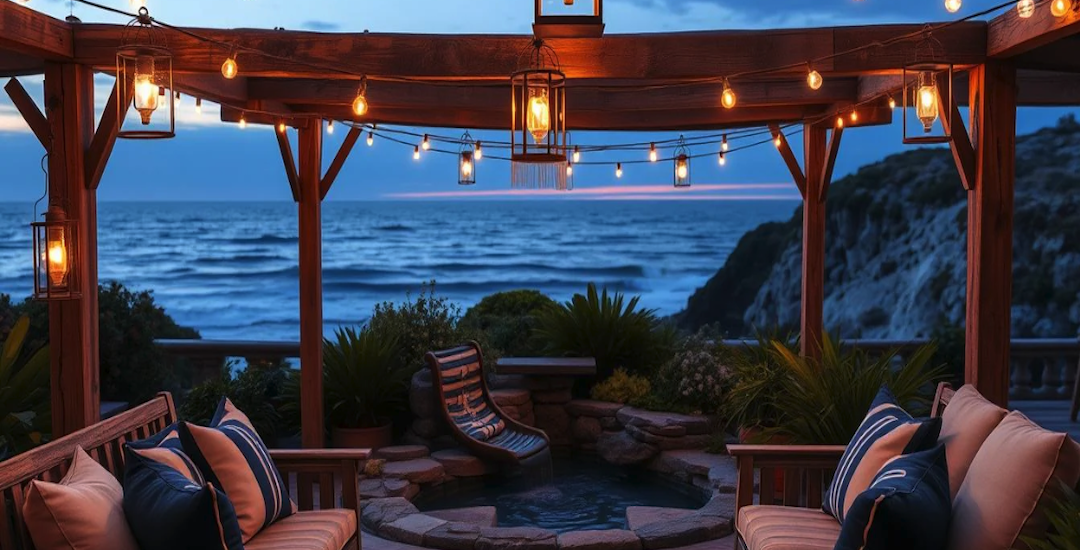
While less common than bulkhead lights for general outdoor use, marine-inspired lanterns and pendant lights are also available. These fixtures often mimic the design of traditional ship’s lanterns, featuring a prominent glass enclosure and sometimes a decorative handle or chain for suspension. They lend themselves well to illuminating entryways, porches, or covered patio areas, where a more decorative yet still durable solution is desired.
Finishes
The finish of a marine light fixture often reflects its functional origins. Unfinished metals like brass and copper are frequently left to develop their natural patinas. For galvanized steel, the characteristic matte gray finish is typically maintained. Painted finishes, such as black or dark bronze, are also common, providing a more uniform appearance while maintaining the underlying material’s durability.
Applications and Placement
The versatility of marine style lighting allows for its deployment in a range of outdoor settings, each requiring careful consideration of fixture type and placement for optimal effect.
Entrances and Pathways
Illuminating entrances and pathways is crucial for both safety and aesthetics. Marine fixtures can provide guidance and a welcoming glow.
Wall-Mounted Bulkheads
Bulkhead lights, when mounted on either side of a doorway or along a pathway wall, offer a diffused and consistent spread of light. Their low profile minimizes obstruction, making them suitable for tighter spaces. Consider positioning them at a height that illuminates the ground without creating harsh glare, typically around eye level or slightly above.
Post-Mounted Lanterns
For wider pathways or driveway entrances, post-mounted lanterns can serve as navigational beacons. These fixtures, often resembling traditional ship’s lanterns, elevate the light source, casting a broader pool of illumination. When selecting post-mounted lights, ensure their scale is proportionate to the surrounding landscape and any existing architectural features.
Patios and Decks
Patios and decks are extensions of your living space, and appropriate lighting can enhance their usability and ambiance.
Overhead Lighting
For covered patios or pergolas, marine pendant lights or even recessed bulkhead fixtures can provide general overhead illumination. Pendants, hung individually or in a series, can define dining or seating areas. When using multiple fixtures, ensure uniform spacing to avoid dark spots and overly bright areas.
Task Lighting
Consider incorporating smaller, directional marine lights for specific tasks, such as illuminating a barbecue area or a reading nook. These might include compact wall-mounted fixtures with adjustable heads or even portable, battery-operated marine-style lanterns for flexible placement.
Step Lighting
Safety on decks with multiple levels or steps is paramount. Recessed marine-grade step lights, often designed with a low profile and a downward-angled beam, can effectively highlight tread edges, preventing trips and falls. Ensure these fixtures are integrated seamlessly into the deck structure for a clean look.
Garden and Landscape Lighting
Marine lighting can be subtly integrated into garden areas to accentuate features and provide ambient illumination without overwhelming the natural surroundings.
Uplighting
While less common for traditional marine fixtures, certain robust spotlights with marine-grade construction can be used for uplighting trees or architectural elements within the garden. This technique creates dramatic shadow effects and highlights textures. Ensure the chosen fixtures are appropriately rated for direct burial or ground mounting.
Path Markers
Low-level marine bollard lights or small, stake-mounted fixtures can define garden paths or outline planting beds. These fixtures typically cast a soft, diffused light downwards, guiding movement without causing glare. Consider placement that complements the natural flow of the garden rather than imposing rigid lines.
Water Features
For ponds or fountains, submerged marine-grade lighting can create captivating visual effects. These fixtures are specifically designed to be waterproof and can illuminate water from within, adding depth and sparkle. Prioritize safety with all electrical connections near water, ensuring compliance with local codes.
Installation Considerations
Proper installation is as crucial as fixture selection to ensure both safety and longevity of your marine style lighting. Neglecting appropriate installation practices can lead to electrical hazards and premature fixture failure.
Electrical Requirements
Outdoor lighting systems operate under unique environmental conditions that demand specific electrical considerations.
Wiring and Conduits
All outdoor wiring must be rated for exterior use, often designated as UF (Underground Feeder) cable for direct burial or THHN/THWN when run through conduit. Conduit, a protective pipe for electrical wires, is essential in exposed areas or where wires might be subject to physical damage. Common conduit materials include PVC and rigid metallic conduit. Local electrical codes will dictate the specific requirements for wire gauge, insulation type, and conduit use based on voltage and amperage.
Junction Boxes
All outdoor electrical connections must be housed in weather-rated junction boxes. These boxes are designed to prevent water ingress and protect splices from environmental exposure. Proper sealing and appropriate outdoor-rated connectors are paramount. Ensure the junction box is large enough to accommodate all wiring and connections without overcrowding.
Ground Fault Circuit Interrupters (GFCIs)
GFCI outlets and breakers are a mandatory safety feature for all outdoor electrical circuits. A GFCI device quickly detects imbalances in electrical current, indicating a ground fault, and rapidly cuts power to prevent electric shock. This is particularly critical in outdoor environments where moisture is prevalent and the risk of accidental contact with energized circuits is higher.
Mounting and Fastening
The method of mounting and fastening marine light fixtures directly impacts their stability and ability to withstand weather elements.
Surface Mounting
Many marine bulkhead lights are designed for surface mounting directly onto a wall or post. This typically involves drilling pilot holes and securing the fixture with screws appropriate for the substrate (e.g., masonry anchors for brick, wood screws for timber). Ensure the fixture is mounted evenly and securely to prevent wobbling or detachment. Use weather-resistant fasteners to prevent rust streaks.
Recessed Mounting
For recessed step lights or in-ground fixtures, the installation involves creating an opening in the surface for the fixture to sit flush. This requires precise cutting and often the use of a specialized housing or trim kit to integrate the light seamlessly. Proper drainage around recessed fixtures is crucial to prevent water accumulation.
Post Mounting
Post-mounted lanterns require a sturdy post, typically made of wood, metal, or composite material. The post itself must be securely anchored into the ground, often with concrete, to withstand wind and other forces. The light fixture is then mounted to the top of the post, with wiring run internally for a clean appearance and protection.
Sealing and Gaskets
Marine light fixtures are designed with gaskets and seals to prevent water and dust from entering the housing. During installation, ensure these seals are properly seated and undamaged. Over-tightening screws can sometimes warp the housing or damage the gasket, compromising its integrity. Apply a bead of outdoor-rated caulk around the perimeter of the fixture’s base where it meets the mounting surface for an additional layer of protection.
Weather Resistance Ratings
Understanding weather resistance ratings is fundamental when selecting any outdoor lighting fixture.
IP Ratings
The Ingress Protection (IP) rating system, defined by international standard IEC 60529, classifies and rates the degree of protection provided by mechanical casings and electrical enclosures against intrusion from solid objects (first digit) and liquids (second digit). For outdoor lighting, aim for fixtures with an IP rating of at least IP44, which protects against solid objects larger than 1mm and splashing water. For areas exposed to direct water sprays or submersion, higher ratings like IP65 (dust tight, protected against water jets) or IP67 (dust tight, protected against immersion up to 1 meter) are necessary.
NEMA Ratings
In North America, NEMA (National Electrical Manufacturers Association) enclosures provide an alternative rating system. NEMA ratings specify environmental protection for enclosures, often incorporating factors beyond simple ingress protection, such as resistance to corrosion or hazardous locations. Common NEMA ratings relevant to outdoor lighting include NEMA 3R (general purpose outdoor, rain, sleet, external ice formation protected) and NEMA 4 (watertight, dust tight, hose-down protected). Always confirm that the NEMA rating of your chosen fixture aligns with the anticipated environmental conditions.
Lighting Design Principles
Beyond the mechanical aspects of installation, employing sound lighting design principles will elevate your outdoor space from merely illuminated to thoughtfully curated. Lighting is a powerful tool; wield it with intention.
Layering Light
Effective outdoor lighting rarely relies on a single type of fixture or light source. Instead, it employs a strategy of layering light, much like painting a landscape.
Ambient Lighting
Ambient lighting provides the general, overall illumination of an area. In marine style, this often comes from bulkhead lights or soft-glowing lanterns that provide a diffuse, unobtrusive background glow. Its purpose is to banish darkness and create a sense of spaciousness and security, allowing movement through the space without tripping hazards. Think of it as the base coat of your lighting design.
Task Lighting
Task lighting is focused illumination for specific activities. This might involve a brighter wall-mounted light above a barbecue, or a focused downlight on an outdoor workbench. The aim is to provide sufficient illumination for the task at hand without over-lighting the entire area. These are the sharp brushstrokes that add detail where needed.
Accent Lighting
Accent lighting is used to highlight specific features, adding visual interest and depth. This could be an uplight on a textured wall, a spotlight on a specimen plant, or a tiny recessed light within a step to draw attention to its edge. Marine-style accent lighting might involve smaller, more directional fixtures, or even a strategically placed lantern that draws the eye to a particular focal point. These are the highlights that catch the eye and define form.
Color Temperature and Lumen Output
The quality and quantity of light are as important as its placement. These factors influence the mood and functionality of your outdoor space.
Warm White vs. Cool White
Color temperature, measured in Kelvin (K), describes the perceived warmth or coolness of light. Lower Kelvin values (2700K-3000K) produce a warm white light, similar to incandescent bulbs, creating a cozy and inviting atmosphere. Higher Kelvin values (4000K-5000K) produce a cool white light, which is brighter and more stimulating, often used for task-oriented areas or to mimic daylight. Marine style often leans towards warmer temperatures to evoke a traditional, historical feel. Consider how the color temperature will interact with the materials and natural colors of your outdoor space.
Lumen Output
Lumen output indicates the total amount of visible light produced by a bulb or fixture. When planning your lighting, consider the required lumen output for each area. A pathway might need 50-100 lumens per fixture, while a seating area could benefit from 200-400 lumens per fixture, depending on the desired brightness and number of fixtures. Avoid over-lighting, which can cause glare and light pollution; instead, aim for purposeful illumination that meets the functional and aesthetic needs of the space.
Dimming and Controls
The ability to control your lighting allows for flexibility and adaptability, transforming the mood of your outdoor space instantly.
Dimmer Switches
Incorporating dimmer switches into your outdoor lighting circuits allows you to adjust the brightness of your fixtures. This flexibility is invaluable for setting different moods – bright for entertaining, dimmed for a relaxed evening. Ensure any dimmer switches used are rated for outdoor or wet locations and are compatible with the type of bulbs you are using (e.g., LED dimmers for LED bulbs).
Timers and Photocell Sensors
Automating your lighting system with timers or photocell sensors offers convenience and energy efficiency. Timers can be programmed to switch lights on and off at specific times, ensuring your space is lit when needed and dark when not. Photocell sensors, or “dusk-to-dawn” sensors, automatically turn lights on when ambient light levels fall and off when they rise, providing a hands-off solution.
Motion Sensors
For security purposes or to illuminate pathways only when someone is present, motion sensors can be integrated into your lighting scheme. These sensors detect movement and activate the lights for a predetermined duration. This saves energy and can act as a deterrent to unwanted visitors.
Maintenance and Longevity
Even the most robust marine style lighting requires periodic maintenance to ensure its continued performance and appearance. Neglecting routine care can shorten the lifespan of the fixtures and compromise their aesthetic appeal.
Routine Cleaning
The consistent exposure to outdoor elements means that light fixtures will accumulate dirt, dust, pollen, and potentially salt spray in coastal areas.
General Cleaning
Periodically wipe down your light fixtures with a soft cloth and mild soap and water solution. This removes surface grime and helps maintain the fixture’s original luster. Avoid abrasive cleaners or harsh chemicals, which can damage finishes or protective coatings. For glass components, a standard glass cleaner can be used, ensuring it doesn’t leave streaks.
Saltwater Exposure
In coastal regions, salt spray can accelerate corrosion and dull finishes. For brass and copper fixtures, regular rinsing with fresh water can help remove salt deposits, slowing down the patination process if a brighter finish is desired. If a natural patina is preferred, occasional cleaning to remove thick salt crusts or other accumulated debris is still beneficial.
Inspection and Repair
Proactive inspection can identify potential issues before they escalate into more significant problems, extending the life of your lighting system.
Wiring and Connections
Regularly inspect all visible wiring and connections for signs of wear, fraying, or degradation. Check for any exposed conductors, loose connections, or damage to conduit. Ensure all weather-rated components, such as junction box covers and seals, are intact and functioning correctly. Any suspicious findings should prompt immediate attention from a qualified electrician.
Fixture Integrity
Examine the fixture housings for dents, cracks, or signs of material fatigue. Check that all screws and fasteners are tight. For fixtures with cages or guards, ensure they are securely attached and free from significant damage. Pay attention to the condition of gaskets and seals around glass lenses; if they appear brittle or cracked, they may need replacement to maintain the fixture’s weather resistance.
Bulb Replacement
Replace bulbs as needed. Consider upgrading to LED bulbs, which offer significantly longer lifespans, lower energy consumption, and often come in various color temperatures to suit your aesthetic preferences. When replacing bulbs, ensure the new bulb’s wattage and type are compatible with the fixture’s specifications.
Patina Management
The development of a patina is a natural process for brass and copper, but its appearance can be managed depending on your preference.
Allowing Natural Patina
If you appreciate the aged, weathered look, simply allow the brass or copper fixtures to develop their natural patina. This process is part of their inherent beauty and testifies to their durability in the outdoor environment. The color will evolve over time, from dark browns to greens and blues, creating a unique character.
Restoring Shine
If you prefer to maintain the original polished look of brass or copper, specialized metal polishes can be used. This usually involves applying the polish, waiting for it to dry, and then buffing it off with a soft cloth. This process will remove the patina, but it will reform over time, requiring periodic reapplication for sustained brightness. Always follow the manufacturer’s instructions for any cleaning or polishing products.
Conclusion
Marine style lighting is more than just a functional necessity; it is a design choice that brings a sense of history, resilience, and unique aesthetic to any outdoor space. By understanding its characteristics, applying thoughtful design principles, ensuring proper installation, and committing to diligent maintenance, you can transform your exterior environments into inviting and well-lit areas. Marine fixtures, with their enduring materials and robust designs, offer a metaphorical anchor, grounding your outdoor spaces with a timeless and reliable illumination. When choosing marine style lighting, you are not merely selecting a fixture; you are investing in a piece of enduring design, a beacon that guides and enhances, serving your outdoor needs with unwavering purpose. This approach ensures your outdoor lighting system is not only effective but also a coherent and appealing extension of your home.