
French milk glass chandeliers represent a specific stylistic intersection: the enduring appeal of traditional French lighting design merged with the distinctive characteristics of mid-20th-century aesthetics. These fixtures are not merely a source of illumination but function as a significant decorative element, embodying a design philosophy that prioritizes both form and diffused light. Examining their historical context and material properties reveals their enduring appeal in interior design.
Understanding the French milk glass chandelier necessitates an appreciation for its constituent parts and the design principles that guide its construction. The term “milk glass” itself refers to an opaque, milky-white or sometimes colored, glass that resembles porcelain. Its use in lighting fixtures was particularly prevalent during the mid-20th century, a period marked by a shift in design sensibilities towards clean lines, functionalism, and a more understated elegance.
Historical Context and Evolution
The trajectory of the French milk glass chandelier is intertwined with broader shifts in European decorative arts and industrial production. While ornate crystal chandeliers have a lineage stretching back centuries, the milk glass variant emerged as a distinct expression in a later era.
From Opulence to Modernity: The Shifting Aesthetic Landscape
Prior to the 20th century, dominant lighting aesthetics often emphasized grandeur and overt displays of wealth. Crystal, bronze, and intricate metalwork characterized chandeliers commissioned for palaces and aristocratic homes. The advent of electricity and evolving social structures catalyzed a re-evaluation of interior design. The middle class grew, and with it, a demand for stylish yet accessible furnishings.
The Rise of Milk Glass and its Applications
Milk glass itself has a history predating the mid-century, appearing in various forms like tableware and decorative objects. Its application in lighting, however, became particularly prominent in the period following the Second World War. This era, often termed “mid-century modern,” saw a widespread embrace of new materials and simpler forms. Milk glass offered a unique combination of qualities: it diffused light effectively, creating a soft, warm glow, and it was relatively inexpensive to produce compared to cut crystal. This made it an ideal material for illuminating homes of the burgeoning post-war era.
French Influence on Mid-Century Design
France, with its rich heritage in design and craftsmanship, played a pivotal role in shaping many mid-century trends. While Scandinavia and America are often cited for their contributions to mid-century modern, French designers and manufacturers adapted these new aesthetics with their characteristic flair. French milk glass chandeliers often incorporated elegant curves, minimalist metallic frameworks, and a sense of understated sophistication that distinguished them from their counterparts in other regions. They frequently retained a touch of classical balance, preventing them from veering into stark functionalism.
Defining Characteristics and Materials
French milk glass chandeliers are identifiable by a combination of material choices, structural elements, and a characteristic aesthetic. These features collectively contribute to their distinctive appearance and performance.
The Properties of Milk Glass
The primary material, milk glass, is central to the identity of these fixtures. This opaque or translucent glass-ceramic material typically achieves its milky appearance through the addition of opacifying agents during manufacturing, such as tin dioxide, arsenic, bone ash, or cryolite. The key characteristic is its ability to scatter light, transforming harsh electrical illumination into a soft, diffused glow. This optical property makes interiors feel more inviting, mitigating glare and creating an ambient atmosphere. The color is predominantly white, but variations in pale pastels, such as soft pinks, blues, or yellows, also exist, particularly in some earlier or more whimsical designs. The surface finish is often smooth, sometimes polished, contributing to a refined tactile experience.
Common Structural Elements
The structure of a French milk glass chandelier typically involves a metal frame from which multiple milk glass shades or diffusers are suspended.
- Central Stem or Column: Many larger chandeliers feature a central stem or column, often fabricated from brass, bronze, or polished steel. This serves as the primary support structure and often houses electrical wiring.
- Arms and Branches: Multiple arms or branches extend from the central stem, terminating in light sockets and the milk glass shades. These arms can be straight and angular, forming geometric patterns, or gracefully curved, echoing traditional chandelier forms.
- Metallic Finishes: Popular metallic finishes for the framework include polished brass, brushed brass, chrome, nickel, and occasionally blackened steel or wrought iron. The choice of metal significantly impacts the overall aesthetic, with brass often conveying a sense of warmth and vintage charm, while chrome or nickel lend a more contemporary edge.
- Shade Forms: The milk glass shades themselves come in a variety of shapes. Common forms include:
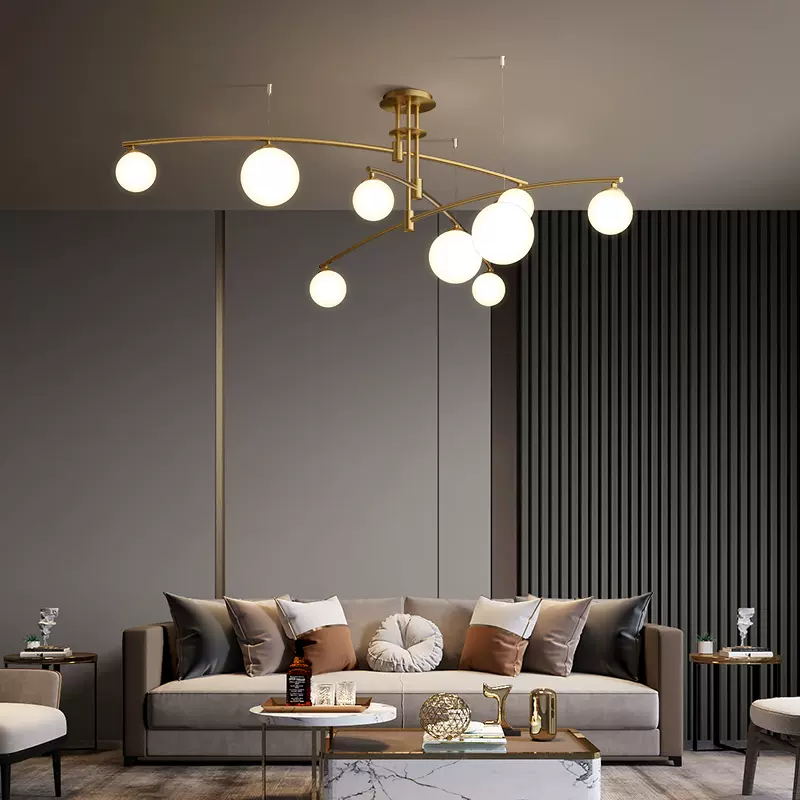
- Globes or Spheres: These provide a uniform diffusion of light and contribute to a symmetrical, balanced appearance. They can be fully enclosed or open at the bottom.
- Cones or Bell Shapes: These direct light more downwards, creating a more focused illumination while still offering some ambient glow.
- Saucer or Dish Shapes: Often paired with a central light source, these provide upward and downward light, sometimes acting as reflectors.
- Tulip or Fluted Shapes: These shades hark back to more traditional forms but are rendered in the opaque milk glass.
Design Motifs and Details
Beyond the basic structure, specific design motifs and details often characterize French milk glass chandeliers.
- Minimalist Detailing: Compared to the intricate carvings and intricate embellishments of earlier epochs, mid-century French designs tend towards a more restrained aesthetic. Decoration is often implicit in the form itself rather than applied.
- Geometric Forms: The mid-century era embraced geometry, and this is reflected in the clean lines and symmetrical arrangements of many chandeliers.
- Brass Accents: Brass is a recurring material, often used for small decorative elements like caps, finials, or small connecting joints, providing a subtle warmth against the white glass.
- Suspension Methods: Fixtures are typically suspended by chains or rigid rods, often allowing for adjustable height to suit different room dimensions. These suspension elements are usually functional but often designed to integrate aesthetically with the overall fixture.
The Enduring Appeal in Interior Design
The continued popularity of French milk glass chandeliers stems from their unique ability to bridge various design philosophies and integrate into diverse interior styles. They are an object lesson in how a specific aesthetic can remain relevant across decades.
Versatility in Styling
One of the primary reasons for their enduring appeal is their chameleon-like versatility. A French milk glass chandelier can complement a range of interior aesthetics, avoiding the pigeonholing that more overtly period-specific fixtures sometimes encounter.
- Mid-Century Modern: This is their natural habitat. Paired with teak furniture, clean-lined sofas, and abstract art, they reinforce the era’s commitment to functional beauty and understated elegance. The diffused light complements interiors designed to be warm and inviting without being overly formal.
- Contemporary and Minimalist: In a modern setting, their clean forms and opaque white glass provide a sophisticated counterpoint to sleek surfaces and a monochrome palette. The absence of overpowering detail allows them to integrate without competing, acting as a sculptural element without dominating.
- Transitional: For spaces that blend traditional and modern elements, these fixtures offer a harmonious bridge. Their classical proportions, albeit simplified, can nod to tradition, while the milk glass material keeps the aesthetic refreshed and contemporary.
- Eclectic: In an eclectic interior, where different styles and periods converge, a French milk glass chandelier can serve as a grounding element. Its clean lines and neutral color allow it to exist comfortably amongst a diverse collection of furnishings and art.
The Quality of Light
Beyond aesthetics, the quality of light emitted by these chandeliers is a significant draw. The milk glass acts as a natural diffuser, softening the harsh output of modern light bulbs. This creates a lumen envelope that bathes a room in a warm, even glow, minimizing shadows and reducing glare. This atmospheric light enhances comfort and intimacy, making spaces feel more inviting and less starkly illuminated. It can transform a purely functional space into something more contemplative or convivial.
A Nod to Craftsmanship and History
For those who appreciate provenance and artisanry, these chandeliers offer a tangible connection to a specific design era. While often mass-produced, they retained a sensibility of craftsmanship in their assembly and material selection. Owning one is not merely acquiring a light fixture; it is acquiring a piece of applied art that carries a historical narrative. It speaks to a design philosophy that valued both aesthetic innovation and practical utility.
Integration and Placement Considerations
Proper integration of a French milk glass chandelier involves thoughtful consideration of scale, proportion, ceiling height, and the overall design scheme of a room. A chandelier is not simply an overhead light; it is a focal point.
Room-Specific Applications
The application of a French milk glass chandelier varies depending on the specific room.
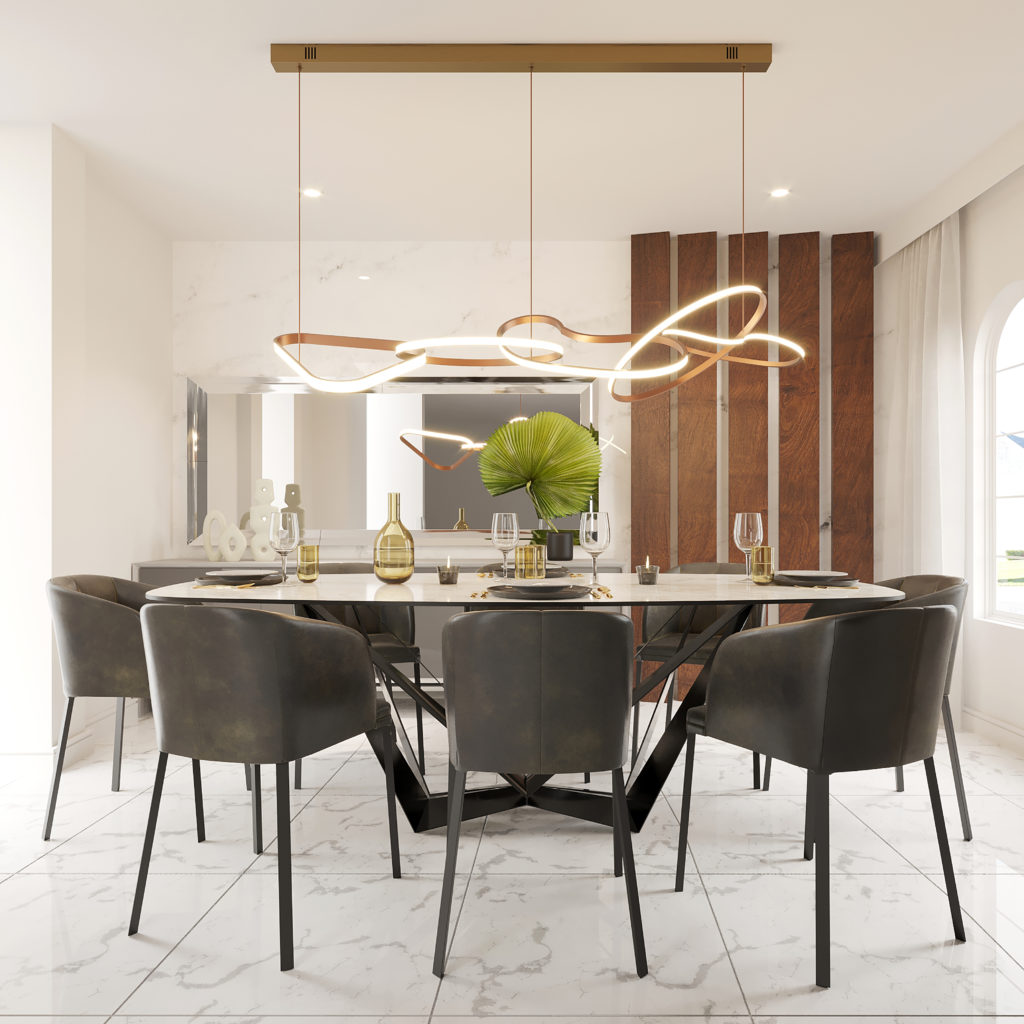
- Dining Rooms: This is a classic placement. Hung centrally over a dining table, the chandelier provides essential task lighting while creating an intimate atmosphere for meals and conversation. The height should be carefully considered, ensuring it illuminates the table effectively without obstructing views across it. A common guideline is 30-36 inches above the tabletop in a room with an 8-foot ceiling, with an additional 3 inches for every extra foot of ceiling height.
- Living Rooms: In living areas, a chandelier can serve as a central decorative element. It can illuminate a seating arrangement or define a specific zone within an open-plan space. The diffused light works well to create a general ambient glow, contributing to a relaxed environment.
- Entryways and Foyers: A grander chandelier in an entryway makes a powerful first impression. It sets the tone for the rest of the home, drawing the eye upwards and adding sophisticated elegance to an often-overlooked space. Ceiling height is paramount here to ensure adequate clearance.
- Bedrooms: While less common, smaller or more understated milk glass chandeliers can add a touch of luxury and soft ambient lighting to a bedroom. The diffused light avoids harshness, which is desirable in a restful space.
Sizing and Scale
The physical dimensions of a chandelier relative to the room are critical.
- Diameter: A general rule of thumb for dining rooms and living rooms is that the diameter of the chandelier in inches should approximate the sum of the room’s length and width in feet. For example, a 10’ x 14’ room (summing to 24 feet) might ideally feature a chandelier around 24 inches in diameter. This provides a starting point; personal preference and particular design intent may deviate.
- Height: The vertical dimension of the chandelier also matters. A very tall fixture in a low-ceilinged room will feel overwhelming and can impede visual flow. Conversely, a small, squat chandelier in a room with high ceilings will appear lost. Ensure sufficient clearance for walking underneath, especially in high-traffic areas.
Complementary Elements and Architectural Styles
Consider how the chandelier will interact with other elements in the room.
- Furniture: Its clean lines and neutral color typically allow it to harmonize with both period mid-century pieces and more contemporary furnishings. The metal accents can be echoed in other metallic elements within the room.
- Color Palette: The white milk glass provides a crisp contrast to darker walls or blends seamlessly into lighter, neutral schemes. Its versatility means it doesn’t dictate a color scheme but rather complements a wide range.
- Architectural Features: In a home with mid-century architectural features (e.g., exposed beams, large windows, minimalist trim), the chandelier will naturally reinforce the existing aesthetic. In a more traditional home, it can serve as a subtle modern intervention, providing a fresh contrast.
Maintenance and Care
Like any well-crafted fixture, a French milk glass chandelier requires regular maintenance to preserve its aesthetic appeal and functionality. The materials involved are generally durable, but specific care ensures longevity.
Cleaning Milk Glass
The opaque nature of milk glass means surface dirt and dust are more visible than on clear glass. Regular dusting is paramount.
- Dusting: Use a soft, dry microfiber cloth or a feather duster for routine removal of surface dust. This prevents build-up and maintains light transparency.
- Washing: For more ingrained dirt or smudges, gently wipe the shades with a damp cloth lightly moistened with plain water or a mild, non-abrasive glass cleaner. Avoid harsh chemical cleaners, particularly on any painted or frosted milk glass, as they can etch or damage the surface. Always dry thoroughly with a clean, soft cloth to prevent water spots.
- Inspection: Periodically inspect the shades for any hairline cracks or chips, especially if the chandelier is an antique or vintage piece. Handle milk glass shades with care, as they can be brittle.
Metal Components
The metallic elements—brass, chrome, nickel—also require specific care depending on their finish.
- Polished Brass: Polished brass can dull over time due to oxidation. Use a specialized brass polish designed for unlacquered brass to restore its luster, following manufacturer instructions. If the brass is lacquered (which is often the case for vintage pieces to prevent tarnishing), clean it only with a soft, damp cloth and avoid abrasive cleaners or polishes that could strip the lacquer.
- Brushed Brass, Chrome, Nickel: These finishes are generally easier to maintain. Dust regularly with a dry cloth. For smudges or fingerprints, a soft cloth dampened with mild soap and water is usually sufficient. Avoid abrasive pads or harsh chemicals that can scratch or damage the finish.
- Wrought Iron/Painted Metals: These require less intensive cleaning. Dusting with a dry cloth is typically all that’s needed. For painted surfaces, a damp cloth with mild soap can be used for more stubborn marks, ensuring not to rub too aggressively.
Electrical Components
Safety is paramount when dealing with electrical fixtures.
- Power Off: Always ensure the power to the chandelier is turned off at the circuit breaker before performing any cleaning or bulb replacement.
- Bulb Replacement: Use the correct wattage and type of bulb specified for the fixture. Over-wattage bulbs can generate excessive heat, potentially damaging wiring or the shades themselves. LED bulbs are an excellent modern alternative, offering energy efficiency and reduced heat output.
- Wiring Inspection: For older or vintage chandeliers, it is prudent to have the wiring inspected by a qualified electrician, especially if there are any signs of fraying, cracking, or discoloration. Rewiring may be necessary to meet current safety standards and ensure longevity.
- Professional Cleaning: For very large or intricate chandeliers, or if you are unsure about the safety or cleaning procedures, consider engaging a professional lighting restoration specialist. They possess the expertise and tools to clean and restore antique fixtures safely and effectively without causing damage.
By adhering to these maintenance guidelines, your French milk glass chandelier will continue to be a source of elegant illumination and a focal point of sophisticated design in your home for many years. It is an investment in both light and aesthetic history.