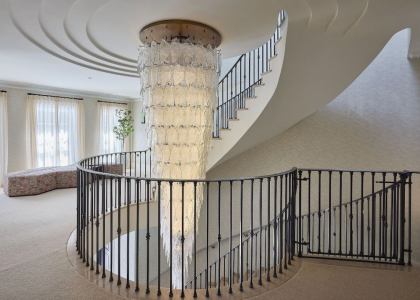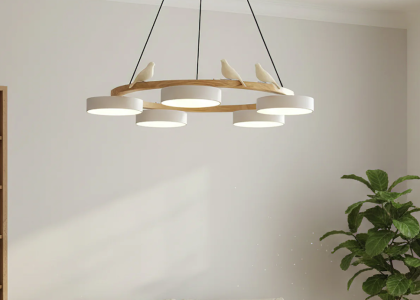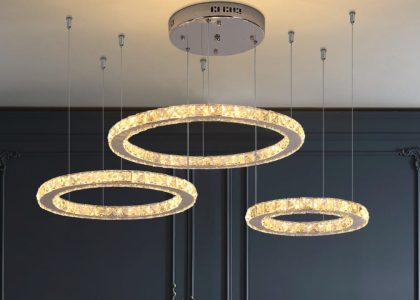

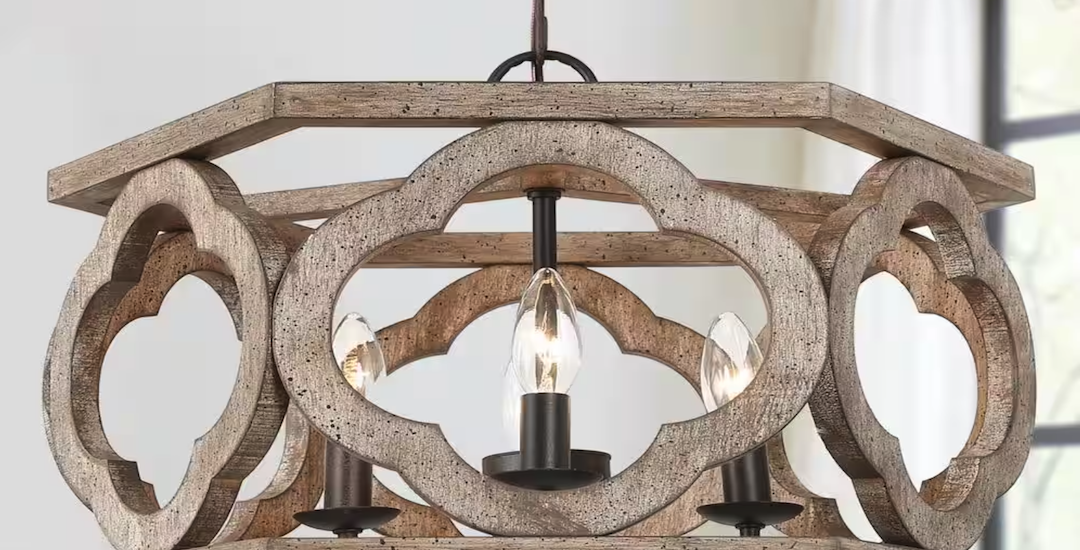
In the realm of interior design, few elements evoke the warmth and character of rustic charm quite like a wood and iron chandelier. These fixtures serve as more than mere sources of light; they are statement pieces that can transform a space, infusing it with a sense of history and authenticity. The juxtaposition of natural wood with sturdy iron creates a visual contrast that is both striking and inviting, making these chandeliers ideal for a variety of settings, from cozy cabins to modern lofts.
The allure of rustic design lies in its ability to blend the old with the new, creating an atmosphere that feels both timeless and contemporary. The appeal of wood and iron chandeliers Martliving extends beyond their aesthetic qualities. They embody a craftsmanship that harkens back to traditional methods of construction, where artisans took pride in their work, ensuring that each piece was unique.
This craftsmanship resonates with those who appreciate the beauty of handmade items and the stories they carry. As more homeowners seek to create spaces that reflect their personal style and values, wood and iron chandeliers have emerged as a popular choice, bridging the gap between rustic elegance and modern sensibilities.
The History of Wood and Iron Chandeliers
Rustic Charm of Wood and Iron
However, the combination of wood and iron remained a staple in rustic settings, particularly in rural homes and country estates. The simplicity and durability of these materials made them ideal for creating fixtures that could withstand the test of time.
The Industrial Revolution and the Evolution of Design
In the 18th and 19th centuries, as the Industrial Revolution took hold, the production of chandeliers became more mechanized. This shift allowed for greater experimentation with design, leading to the ornate styles that characterized the Victorian era.
A Timeless Appeal
Despite this trend towards opulence, many artisans continued to favor the rustic charm of wood and iron, recognizing its ability to evoke a sense of warmth and comfort. Today, this historical context enriches the appeal of wood and iron chandeliers, as they serve as a reminder of a time when craftsmanship was paramount and design was deeply intertwined with functionality.
Design and Style Options for Wood and Iron Chandeliers
When it comes to design options for wood and iron chandeliers, the possibilities are virtually limitless. These fixtures can be found in a variety of styles, ranging from traditional to contemporary, each offering its own unique interpretation of rustic charm. For instance, a farmhouse-style chandelier may feature distressed wood beams paired with wrought iron accents, creating an inviting focal point for a dining room or kitchen.
In contrast, a more modern interpretation might incorporate sleek lines and minimalist designs while still utilizing the natural textures of wood and iron. Color plays a significant role in the overall aesthetic of wood and iron chandeliers. Natural wood tones can range from light oak to deep mahogany, allowing homeowners to select a finish that complements their existing decor.
Iron components can be left in their raw state for an industrial look or painted in various colors to match specific themes. Additionally, the incorporation of glass or fabric shades can soften the light emitted by these fixtures, adding an extra layer of warmth and ambiance to any space.
Where to Use Wood and Iron Chandeliers in Your Home
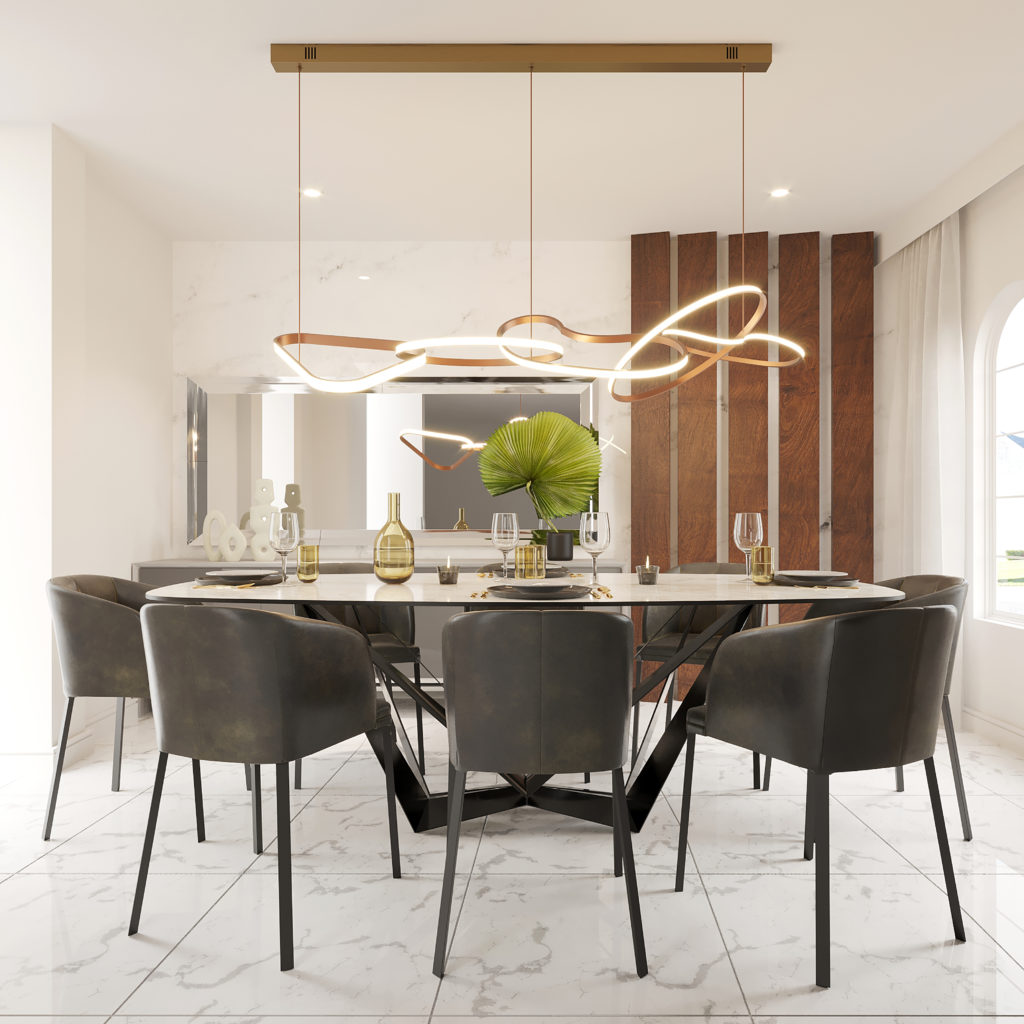
Wood and iron chandeliers are incredibly versatile and can be used in various areas throughout the home. One of the most popular locations is over dining tables, where they can create an intimate atmosphere for family meals or entertaining guests. A large chandelier with multiple arms can serve as a stunning centerpiece, drawing attention while providing ample illumination for dining activities.
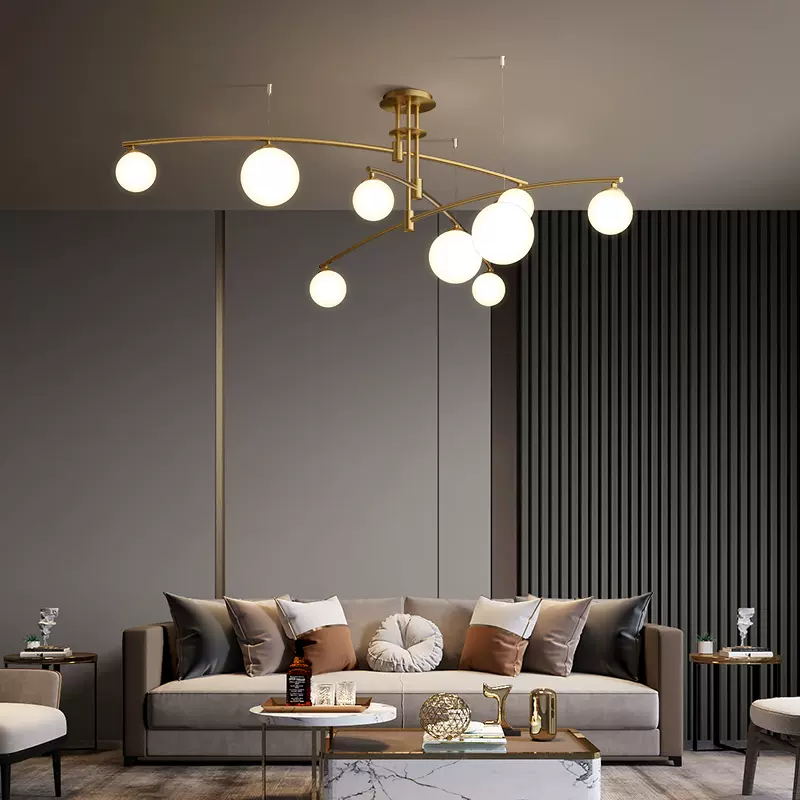
In open-concept spaces, these fixtures can help define different areas within a room, adding visual interest without overwhelming the overall design. Beyond dining rooms, wood and iron chandeliers can also enhance living rooms, entryways, and even bedrooms. In living rooms, a statement chandelier can serve as a conversation starter while providing ambient lighting for relaxation or social gatherings.
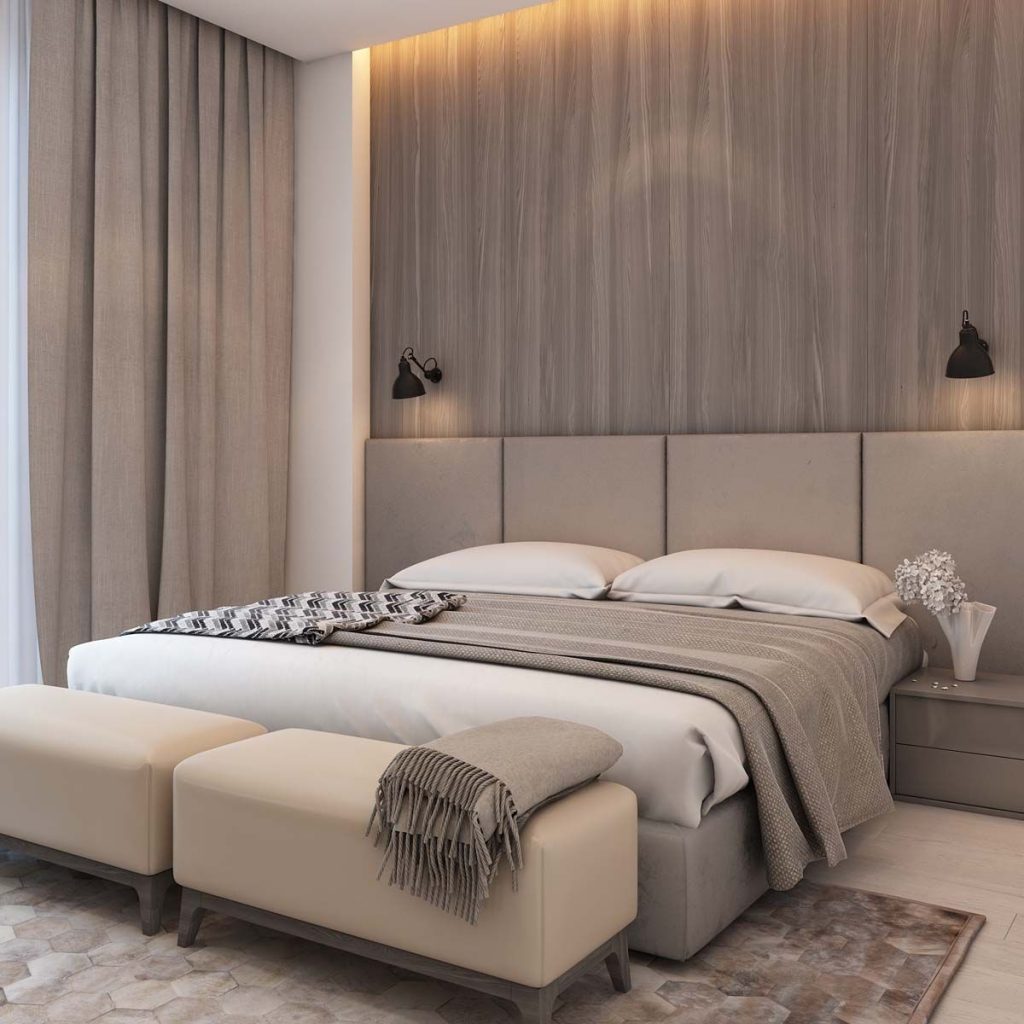
In entryways, a well-placed chandelier can create an inviting first impression for guests, setting the tone for the rest of the home. In bedrooms, smaller chandeliers can add a touch of elegance above nightstands or in reading nooks, contributing to a cozy atmosphere conducive to rest.
How to Choose the Right Size Wood and Iron Chandelier for Your Space
Selecting the appropriate size for a wood and iron chandelier is crucial to achieving a balanced look within your space. A chandelier that is too large can overwhelm a room, while one that is too small may get lost among other design elements. To determine the right size, consider both the dimensions of the room and the height at which the chandelier will be hung.
A common guideline is to add the length and width of the room in feet; this total will give you an approximate diameter in inches for your chandelier. For example, if your dining room measures 12 feet by 15 feet, adding these numbers together gives you 27. A chandelier with a diameter of around 27 inches would be appropriate for this space.
Additionally, consider the height at which you will hang the chandelier; it should typically be positioned about 30 to 36 inches above a dining table or kitchen island to allow for comfortable clearance while still providing adequate illumination.
Maintenance and Care Tips for Wood and Iron Chandeliers
Maintaining a wood and iron chandelier is essential for preserving its beauty and functionality over time. Regular cleaning is necessary to prevent dust buildup on both the wood and iron components. For wooden parts, use a soft cloth or feather duster to gently wipe away dust without scratching the surface.
If necessary, a mild soap solution can be used for deeper cleaning; however, it’s important to avoid soaking the wood or using harsh chemicals that could damage its finish. Iron components may require different care depending on whether they are painted or left in their natural state. For painted iron, a damp cloth can be used to remove dust; however, care should be taken not to scratch the paint.
If rust appears on unpainted iron parts, it can be treated with rust remover or sanded down before applying a protective coating to prevent further corrosion. Additionally, periodically checking all electrical connections is crucial to ensure safety and functionality; replacing bulbs as needed will keep your chandelier shining brightly.
DIY Ideas for Customizing Your Wood and Iron Chandelier
For those looking to add a personal touch to their wood and iron chandelier, several DIY customization ideas can enhance its uniqueness while reflecting individual style preferences. One popular approach is to change the finish on wooden components; applying a new stain or paint color can dramatically alter its appearance. For instance, if you have a light-colored wood chandelier but prefer darker tones, sanding down the surface slightly before applying a dark stain can create a rich contrast against the iron elements.
Another creative option is to incorporate decorative elements such as crystals or fabric shades into your chandelier design. Adding crystals can introduce an element of glamour while maintaining rustic charm; they catch light beautifully and create stunning reflections throughout the room. Alternatively, fabric shades in complementary colors or patterns can soften the light emitted by the fixture while adding texture and warmth to your space.
These simple modifications allow homeowners to tailor their chandeliers to fit their personal aesthetic seamlessly.
Bringing Rustic Charm into Your Home with a Wood and Iron Chandelier
Incorporating a wood and iron chandelier into your home is an excellent way to infuse rustic charm into your decor while also making a bold design statement. With their rich history rooted in craftsmanship and versatility across various styles, these fixtures offer both beauty and functionality. Whether you choose to place one above your dining table or in your entryway, its presence will undoubtedly enhance your space’s overall ambiance.
As you explore design options and consider where best to position your chandelier, remember that size matters; selecting an appropriately sized fixture will ensure harmony within your room’s proportions. With proper maintenance and care, your wood and iron chandelier will continue to shine brightly for years to come. And if you’re feeling creative, customizing your chandelier through DIY projects can make it truly one-of-a-kind—reflecting not just rustic charm but also your personal style within your home.