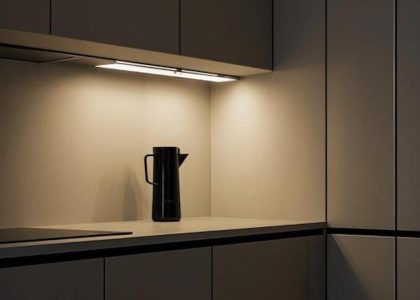

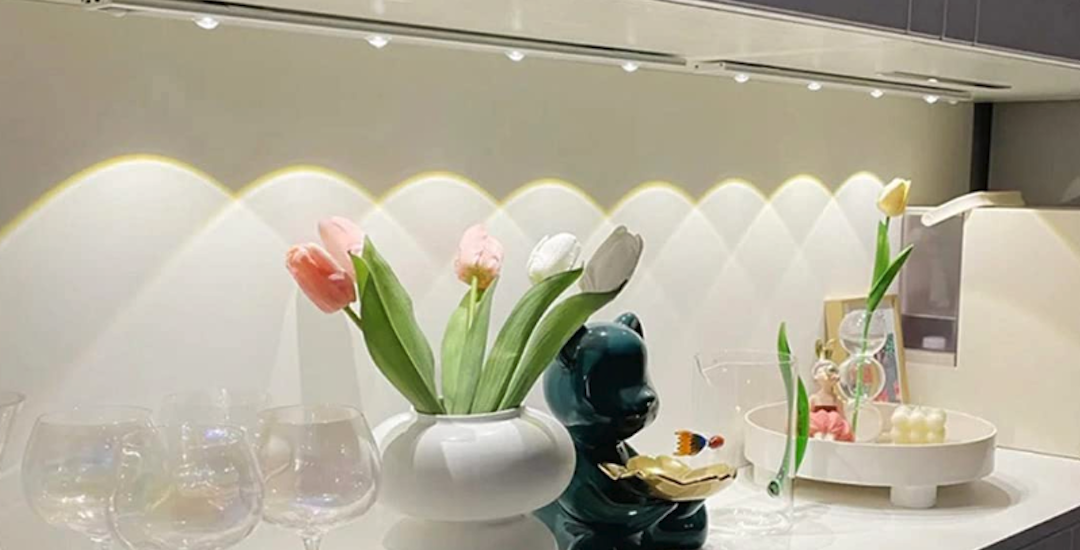
You’re probably wondering if those super-slim LED lights you see advertised for kitchen cabinets are worth the fuss. The short answer is: yes, for many people, they absolutely are. These ultra-thin sensor lights can dramatically improve your kitchen’s functionality and aesthetic with minimal effort. They’re not just fancy gadgets; they solve real problems like fumbling for light switches in dimly lit spaces or trying to chop vegetables with shadows in your way. Think of them as a practical upgrade that makes your kitchen a more pleasant and efficient place to be.
The “ultra-thin” aspect isn’t just marketing speak. It refers to a design that prioritizes discretion and ease of installation. Traditional under-cabinet lighting Woolerdesign could be bulky, requiring more involved wiring and potentially intrusive fixtures. These new models are designed to be almost unnoticeable when they’re off, blending seamlessly with your cabinet’s underside.
The Importance of Slim Design
- Aesthetics: A primary benefit is their ability to enhance your kitchen’s look without clashing with your existing decor. They don’t demand attention; they simply add a functional layer.
- Space Saving: Their minimal profile means they don’t create a significant visual obstruction or take up valuable vertical space under your cabinets, which is particularly important in smaller kitchens.
- Installation Flexibility: Because they’re so thin, they can be mounted in tighter spots where bulkier lights wouldn’t fit, offering more placement options.
Material and Construction
Many of these lights use lightweight but durable materials. Aluminum alloys are common for their heat dissipation properties and strength-to-weight ratio. Plastic components are often high-impact resistant. This careful material selection contributes to their longevity and ability to withstand the kitchen environment.
Beyond Basic Lighting: The Sensor Advantage
The real magic of these lights lies in their sensor technology. They’re designed to react to your presence, meaning you don’t have to lift a finger to turn them on or off. This convenience is a game-changer, especially when your hands are full with groceries or cooking ingredients.
Types of Sensors and How They Work
Motion Sensors
The most common type is the motion sensor. These detect movement within a specific range and angle.
- PIR (Passive Infrared) Sensors: These are the workhorses of motion detection. They sense changes in infrared radiation emitted by warm bodies (like you!). When they detect a significant change, indicating movement, they trigger the light.
- Adjustable Sensitivity: Many models allow you to adjust how sensitive the motion sensor is. This can prevent accidental activation by pets or air currents, or ensure they pick up even subtle movements.
- Detection Range and Angle: Understanding these specifications is crucial for optimal placement. A wider angle ensures more coverage, while a well-defined range prevents the light from turning on when you’re too far away or too close to trigger it reliably.
Door/Drawer Sensors
Some lights are designed to activate specifically when a cabinet door or drawer is opened.
- Magnetic Sensors: These typically consist of two parts. One part attaches to the door/drawer, and the other to the cabinet frame. When the door/drawer is closed, the magnets are together, and the circuit is broken (light off). When opened, they separate, completing the circuit (light on).
- Optical Sensors: Less common in ultra-thin designs, but some might use these to detect the absence of an object (like a drawer front) or the presence of light entering the cabinet.
Benefits of Sensor Operation
- Hands-Free Convenience: This is the most obvious benefit. No more sticky light switches or fumbling in the dark.
- Energy Efficiency: Lights will only turn on when needed and should automatically turn off after a set period of inactivity, saving electricity compared to leaving lights on constantly.
- Improved Safety: Reduced risk of accidents (like banging your head or cutting yourself) because you have immediate illumination when you approach your cabinets.
Installation: Making it (Relatively) Simple
One of the major appeals of ultra-thin sensor lights is their straightforward installation. They bypass the need for complex wiring and drilling into your cabinets.
Mounting Options
- Adhesive Strips: Most come with strong, double-sided adhesive tape. This is the easiest method, requiring no tools. Ensure the surface is clean and dry for optimal adhesion.
- Small Screws: Some kits include tiny screws for a more permanent and secure attachment. This is an option if you prefer the added security or have textured cabinet surfaces where adhesive might not hold as well.
- Magnetic Mounting: A few higher-end models might feature magnetic bases, making installation and removal for charging or adjusting incredibly easy.
Powering Your Lights
Understanding the power source is essential for ongoing use and maintenance.
Battery-Powered Solutions
- Rechargeable Batteries: This is the most popular and environmentally friendly option. Lights often come with a USB charging cable. You’ll need to periodically remove the light or access a charging port.
- Standard (Disposable) Batteries: Less common now, but some might still use AA or AAA batteries. This means ongoing replacement costs.
- Battery Life: This varies significantly based on LED efficiency, sensor usage frequency, and battery capacity. Manufacturers often provide estimates.
Plug-In or Hardwired (Less Common for Ultra-Thin)
While the ultra-thin category often favors wireless solutions, some might offer plug-in adapters for continuous power. True hardwired options are rarer in this specific format because they defeat the simplicity angle.
Placement Considerations for Optimal Sensor Performance
- Avoid Direct Sunlight: Bright sunlight can interfere with PIR sensors, causing them to malfunction or not activate when needed.
- Strategic Angling: Position the light so the sensor has a clear line of sight to the area where you’ll be standing or moving. For under-cabinet applications, aiming slightly downwards is often best.
- Distance from Heat Sources: Avoid placing sensors directly above or near heat-generating appliances (like stovetops), as this can also cause false triggers or sensitivity issues.
Beyond the Kitchen: Versatile Applications

While designed for kitchen cabinets, the utility of these ultra-thin sensor lights extends to many other areas of your home. Their compact size and self-sufficiency make them incredibly adaptable.
Other Areas in the Home
- Pantries: A logical extension of kitchen use, illuminating the dark depths of your pantry.
- Closets: Perfect for walk-in or standard closets where you need to quickly find clothes without turning on the main overhead light.
- Hallways and Staircases: Especially useful for nighttime navigation, providing safe illumination without being overly bright.
- Under Beds and Furniture: Can help you locate dropped items or navigate the space without bright ceiling lights.
- Garages and Sheds: For quick access and basic illumination when you don’t need the full workshop lighting.
Benefits in Other Contexts
- Enhanced Safety: Important for areas where tripping hazards might exist, particularly for children or older adults.
- Ambiance and Mood: Can create a subtle, welcoming glow in less functional spaces.
- Security: Small, strategically placed lights can deter potential intruders by giving the impression of occupancy.
What to Look For When Buying
| Feature | Description |
|---|---|
| Power Source | Battery operated |
| Material | Plastic |
| Light Color | White |
| Installation | Easy to install with adhesive strip |
| Usage | Designed for kitchen cabinets |
Not all ultra-thin sensor lights are created equal. Here are a few key features to consider to ensure you get a product that meets your needs.
Key Technical Specifications
- Light Output (Lumens): This tells you how bright the light is. For under cabinets, 50-150 lumens per unit is usually sufficient for task lighting.
- Color Temperature (Kelvin):
- Warm White (2700K-3000K): Creates a cozy, inviting atmosphere, often preferred in living areas and kitchens for a welcoming feel.
- Cool White (4000K-5000K): Provides a brighter, more alert light, similar to natural daylight. Good for task areas where you need clear visibility.
- Daylight (5000K-6500K): Very bright and crisp, can make colors appear more vibrant.
- Battery Life and Charging Time: Manufacturers should provide estimates. Look for lights that offer decent duration between charges.
- Sensor Range and Angle: As mentioned earlier, this is crucial for effective operation.
- Durability and Build Quality: Check reviews or product descriptions for mentions of materials and how well they hold up.
Features to Consider for Convenience
- Adjustable Timer: The ability to set how long the light stays on after motion stops is a significant plus for battery saving and avoiding unnecessary light.
- Dimmable Options: While not standard on all ultra-thin lights, some allow you to adjust the brightness level, offering more control over the mood and light intensity.
- Color Options: Some lights allow you to switch between different color temperatures (e.g., warm white and cool white) or even offer RGB color options for decorative purposes.
- Modular Design: If you have a long stretch of cabinets, consider lights that can be linked together for a more uniform appearance and easier charging.
Choosing the right ultra-thin sensor light involves understanding your specific needs and how effectively the product’s features address them. They offer a practical, low-effort way to enhance your home’s functionality and visual appeal.