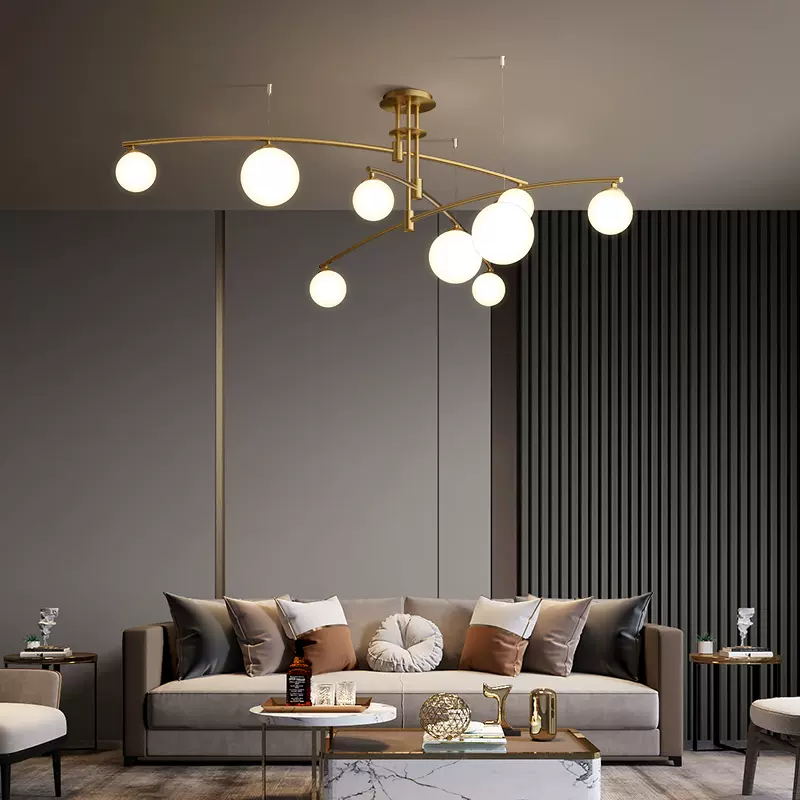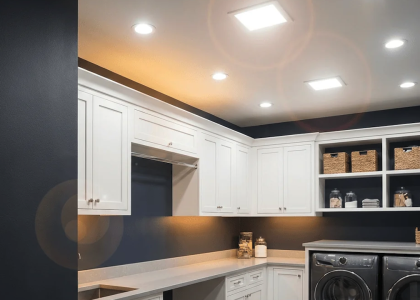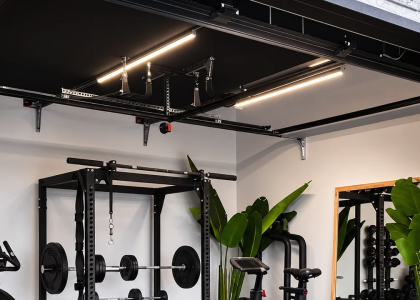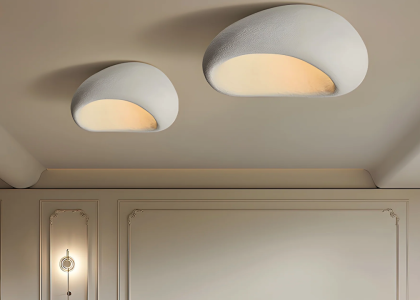


So, you’re wondering about boot room lighting? The short answer is: prioritize practicality and durability, but don’t shy away from adding a touch of style. It’s a hardworking space, so the lighting needs to stand up to mud, damp, and frequent use, while also making it easy to find what you need and feel welcoming.
A boot room isn’t just a dumping ground for muddy wellies and soggy coats; it’s often the gateway to your home, a transition zone, and sometimes even a mini-laundry or pet-washing station. Because it serves so many purposes, its lighting needs to be versatile and robust. Poor lighting in a boot room can lead to fumbling in the dark, tripping over stray boots, and a general feeling of disarray. Good lighting, on the other hand, transforms it into an efficient, pleasant, and even stylish part of your home.
More Than Just a Lightbulb
Think beyond a single, central ceiling light. That’s rarely enough for a boot room’s varied tasks. You’ll likely need a combination of ambient, task, and even accent lighting to cover all your bases.
Durability is Key
Given the nature of a boot room – often exposed to dirt, damp, and the occasional knock – your lighting fixtures need to be tough. Materials like metal, robust glass, and even some reinforced plastics are good choices. Look for fixtures with appropriate IP ratings (Ingress Protection) if there’s a risk of water splashes or high humidity.
Essential Lighting Layers for Functionality
To truly light a boot room effectively, you’ll want to build up layers of light. This gives you flexibility and ensures every corner is well-lit for its specific purpose.
General Ambient Lighting
This is your foundational light source, providing overall illumination for the room. It should be bright enough to banish shadows and allow you to see clearly when you first walk in.
Ceiling-Mounted Fixtures
A good, central ceiling light is a must. For a rugged look, consider industrial-style pendants with metal cages or robust glass shades. Flush-mount or semi-flush mount fixtures can work well in smaller rooms or those with lower ceilings, preventing anyone from bumping their head on a dangling light.
- Barn Lights: These classic fixtures, often seen on farmhouses, offer a great blend of ruggedness and style. They typically have a wide, downward-facing shade that provides excellent general illumination.
- Bulkhead Lights: Originally designed for ships, these sturdy, often round or oval lights with protective cages are perfect for a hard-wearing environment. They provide good, diffused light and are incredibly durable.
Recessed Downlights
If you prefer a cleaner, more minimalist look, recessed downlights can provide excellent ambient lighting. Space them strategically to ensure even coverage. Opt for LED versions for energy efficiency and longevity.
Task Lighting for Specific Zones
This is where you illuminate specific work areas. These lights are crucial for tasks like cleaning muddy boots, sorting laundry, or even tending to pets.
Under-Cabinet Lighting
If you have shelving or cabinetry where you store cleaning supplies, gardening tools, or even pet food, under-cabinet lighting is incredibly useful. LED strip lights are a popular choice here – they’re slim, easy to install, and provide excellent, even illumination.
- For Countertops: Make sure the light is focused on the work surface, not shining directly into your eyes. This is perfect for scrubbing boots or sorting items.
- Inside Lockers/Cupboards: Tiny battery-operated puck lights or thin LED strips can make a huge difference in the usability of dark storage areas.
Wall Sconces by Seating or Hooks
If your boot room includes a bench for putting on shoes or a section with coat hooks, a wall sconce can provide focused light exactly where you need it. This helps you see what you’re doing and prevents shadows from your body obscuring your view.
- Adjustable Sconces: Consider sconces with adjustable arms or heads so you can direct the light precisely.
- Industrial-Style Sconces: Again, metal and robust glass work well here to maintain the rugged aesthetic.
Creating that ‘Chic’ Element: Style and Ambiance
While functionality is paramount, a boot room doesn’t have to be purely utilitarian. Adding a touch of style can make it a more pleasant space to be in, and good lighting plays a huge role in achieving this.
Accent Lighting for Visual Interest
Accent lighting isn’t about brightness; it’s about drawing attention to features and creating atmosphere.
Up-Lighting
If you have exposed brickwork, interesting timber beams, or shelves displaying decorative items (like vintage gardening tools or antique wellies), consider small uplights. These can wash a wall with light, highlighting textures and adding depth.
Picture Lights
If you have artwork, a mirror, or even a framed map in your boot room, a small picture light can draw attention to it and add a touch of sophistication.
Dimmer Switches for Versatility
This is a game-changer for any room, including the boot room. A dimmer switch allows you to adjust the light intensity to suit the mood or task. Bright for cleaning, softer for a quick dash out, or a gentle glow if it’s the first thing you see in the morning.
Energy Saving
Dimming lights also saves energy, extending the life of your bulbs. It’s a practical and stylish solution.
Choosing the Right Fixtures and Materials
The ‘rugged and chic’ look comes down to the materials and design of your lighting fixtures. Think about how they integrate with the overall aesthetic of your boot room.
Industrial-Inspired Metalwork
Think matt black, oil-rubbed bronze, or aged brass. These finishes convey durability and a sense of history. Look for fixtures with visible hardware, exposed bulbs (if appropriate for the style), and simple, strong lines.
Galvanised Steel
This material is excellent for a truly rugged look. It’s durable, rust-resistant, and has a distinctive, raw finish that works well in boot rooms.
Copper or Brass Accents
For a touch of chic, consider fixtures with copper or brass elements. These metals patinate beautifully over time, adding character and warmth.
Robust Glass and Cages
Clear or seeded glass shades are practical as they allow maximum light output and are easy to clean. Adding a metal cage over the glass not only enhances the rugged aesthetic but also protects the bulb from accidental knocks – a real plus in a busy boot room.
Ribbed or Fluted Glass
These textures can diffuse light beautifully, creating a softer glow while still feeling sturdy.
Opal Glass
For a more diffused, even light without glare, opal (milky white) glass shades are a good choice, especially for general ambient lighting.
Wood and Natural Elements
If your boot room has a more rustic or farmhouse feel, incorporating wood into your lighting can be effective. This might be a wooden beam from which pendants hang, or fixtures with wooden bases.
Reclaimed Wood
Using reclaimed wood in a fixture adds instant character and sustainability points.
Smart Lighting: A Modern Touch
Even in a rugged space, smart technology can be incredibly practical without compromising on style.
Motion Sensors
A boot room is often a hands-full space. Motion-activated lights are a godsend. They turn on automatically when you enter and switch off when you leave, saving energy and providing instant illumination.
Entryway Convenience
Perfect for when you’re fumbling with keys, muddy boots, or a pet on a leash.
Security Aspect
If your boot room has an external door, motion sensors can also act as a subtle security feature, deterring unwanted visitors.
Smart Bulbs and Switches
While you might not need colour-changing lights in your boot room, smart bulbs allow you to control brightness and even colour temperature (e.g., warmer for a welcoming feel, cooler for task work) from your phone or voice assistant. Smart switches offer similar control over non-smart fixtures.
Scheduling
You could schedule your boot room lights to come on dimly around sunset, providing a welcoming glow when you arrive home.
Practical Considerations for Installation and Maintenance
Good lighting is one thing; making sure it works well and stays that way is another.
IP Ratings: What They Mean for Your Boot Room
Ingress Protection (IP) ratings tell you how well an electrical enclosure is protected against solids (like dust) and liquids (like water). For a boot room, especially if there’s a sink or it’s prone to dampness, paying attention to this is important.
- IP20: Basic protection against solid objects (>12.5mm), no protection against water. Suitable for dry areas with no splash risk.
- IP44: Protected against solid objects (>1mm) and splashing water from any direction. A good minimum for a boot room with potential dampness or splashes.
- IP65: Dust tight and protected against low-pressure jets of water from any direction. Excellent for areas that might get wet or need to be hosed down.
- IP67: Dust tight and protected against immersion in water up to 1m for 30 minutes. Overkill for most boot rooms, but good to know for extreme cases.
Bulb Choice: Beyond the Lumens
- LEDs: They are the clear winner for boot rooms. They’re energy-efficient, long-lasting, durable (no fragile filaments), and come in a wide range of colour temperatures and brightness levels.
- Colour Temperature: Measured in Kelvin (K).
- Warm White (2700K-3000K): Cozy, inviting light, good for general ambiance.
- Cool White (3500K-4500K): Brighter, more neutral light, good for task areas.
- Daylight (5000K-6500K): Very bright, almost blue-white light, excellent for very detailed tasks but can feel stark. A mix or dimmable options are often best.
Easy Cleaning and Maintenance
Boot rooms get dirty. Choose fixtures that are easy to wipe down. Smooth surfaces, metal, and simple glass shades are generally easier to clean than intricate designs or fabric shades. Consider bulb changing – can you easily access the bulbs, or will you need a ladder and special tools?
Placement for Maximum Impact
Think about where natural light comes from and how artificial light can complement it. Avoid placing lights directly above where you typically stand to avoid creating harsh shadows on yourself. Consider where the main entry points are and where people tend to congregate or perform tasks.
Ultimately, your boot room lighting should be a thoughtful blend of robust functionality and appealing design. It’s about making a hardworking space work even harder for you, while also making it a pleasant transition zone that hints at the style within the rest of your home.